


# Understanding the Hidden Mechanics of Human Behavior and Personal Transformation
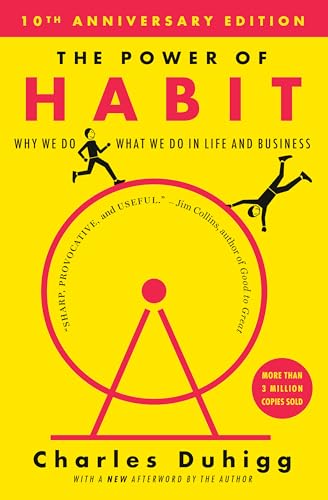
Discover the fascinating science behind why we do what we do, and learn how to harness this knowledge to create lasting personal change. This transformative exploration reveals the neurological basis of habits and demonstrates that virtually any behavior pattern can be modified through understanding and deliberate practice.
At the core of human experience lies a fundamental truth: we are creatures of habit. From the moment we wake until we sleep, our behaviors are largely automatic, driven by patterns established in our brains over time. These patterns operate beneath our conscious awareness, yet they profoundly shape our lives, our relationships, and our potential for growth. Most people never stop to examine these invisible forces, accepting their habitual patterns as immutable facts of personality or circumstance. This exploration challenges that assumption and offers something far more empowering: evidence that habits are not fixed, but rather malleable patterns that can be understood, deconstructed, and rebuilt.
The journey begins with an examination of how habits form at a neurological level. The brain is constantly seeking ways to conserve energy, and it does this by converting frequently performed actions into automatic routines. This process, called habit formation, involves a three-part loop: a cue that triggers behavior, a routine that unfolds automatically, and a reward that reinforces the pattern. Understanding this loop is the first step toward genuine transformation. Whether your habits are productive or destructive, beneficial or harmful, they all follow this same fundamental structure. By learning to identify each component of your personal habit loops, you gain the power to intervene and redirect them.
What makes this exploration particularly valuable for those seeking personal growth is its comprehensive approach to transformation at multiple levels. The text examines individual habits and how personal behavioral change occurs. It then expands to explore organizational habits and how entire companies have undergone revolutionary transformations by understanding these principles. Finally, it considers societal habits and how movements for change spread through populations. This multilayered perspective helps readers understand that the principles governing personal transformation are universal and applicable across all domains of life.
Throughout these explorations, real-world case studies bring abstract concepts to life. You'll discover why a business executive struggled with afternoon snacking, and the specific steps she took to break the cycle. You'll learn how Alcoholics Anonymous succeeded where other recovery programs failed by working with rather than against the habit loop. You'll understand how a restaurant chain transformed its organizational culture by identifying and modifying key habits. These detailed narratives demonstrate that transformation is not about willpower alone or sudden revelation, but about systematic understanding and strategic intervention.
One of the most powerful insights this work offers is the concept of keystone habits—certain habits that, when changed, trigger a cascade of other positive changes throughout a person's life. Perhaps you want to exercise more regularly, eat more healthfully, be more productive, and strengthen your relationships. Rather than attacking all these goals simultaneously, identifying and transforming a keystone habit can set all of these positive changes in motion naturally. This understanding alone can revolutionize how you approach personal development, replacing overwhelming, multifaceted resolutions with strategic focus on the habits that matter most.
For those on a spiritual or consciousness-expanding path, this exploration offers a bridge between inner work and outer transformation. Understanding that habits operate largely outside conscious awareness invites deeper examination of your automatic responses and patterns. It suggests that consciousness itself can be developed through deliberate attention to previously unconscious patterns. This scientific understanding of habit formation validates what contemplative traditions have long understood: that transformation requires both insight and practice, both understanding and sustained attention.
What emerges from this investigation is both humbling and empowering. You are not a static entity, bound by your history or personality. Rather, you are a work in progress, capable of examining, understanding, and fundamentally redesigning the patterns that govern your behavior. This is the true power available to anyone willing to look honestly at their habits and apply the principles of change. Personal transformation is not mystical or reserved for the exceptional. It is a learnable skill, grounded in how your brain actually works. By understanding these mechanisms, you step into genuine agency over your life and your future.