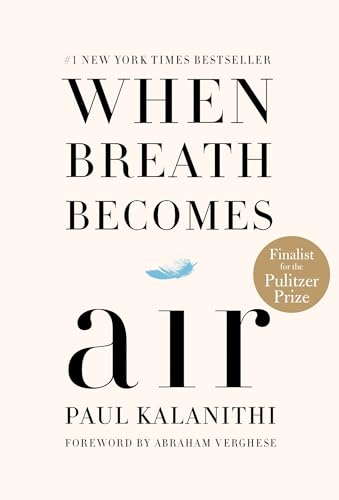

Discover a transformative exploration of what it means to live authentically when confronted with life's ultimate limitation. This powerful narrative takes readers on an intimate journey through one person's reckoning with mortality and the search for meaning in the face of terminal illness. What emerges is far more than a story about dying—it becomes a profound meditation on how to truly live.
The narrative unfolds through the eyes of a neurosurgeon who, at the height of his career, receives a devastating diagnosis. Trained to understand the brain and its complexities, he now becomes the patient, forced to examine existence from an entirely new perspective. This shift from healer to patient creates a unique vantage point for exploring fundamental questions that many of us avoid: What makes life worth living? How do we find purpose when our time becomes finite? What really matters when everything else falls away?
Throughout these pages, readers encounter a brilliant mind grappling with the intersection of science and spirituality, logic and emotion, professional identity and personal humanity. The protagonist draws on literature, philosophy, and personal reflection to construct meaning from a situation that seems meaningless. He examines his relationships—with his spouse, his family, and his colleagues—discovering how mortality reshapes our connections and priorities. This exploration reveals universal truths about human connection that transcend the specific circumstances of illness.
The narrative demonstrates how a life-altering challenge can become a catalyst for clarity. Rather than retreating into despair, the protagonist uses this period to articulate what he's learned about resilience, purpose, and the fragile beauty of existence. Readers will discover how crisis can strip away pretense and reveal what genuinely matters. This isn't about achieving acceptance in a tidy, inspirational way—it's about the messy, complicated process of integrating difficulty into a coherent life narrative.
One of the most valuable aspects of this journey is how it challenges cultural narratives around illness and suffering. Instead of offering platitudes or false comfort, the narrative honors the full range of human experience—the fear, the anger, the moments of grace, and the determination to live meaningfully despite uncertainty. This authenticity resonates deeply, particularly for those facing their own challenges or seeking to live more consciously.
The prose itself becomes part of the teaching. The writing is spare, elegant, and deeply considered—reflecting the thoughtful nature of someone examining existence itself. Readers will find themselves slowing down to absorb passages, recognizing wisdom that applies far beyond the immediate circumstances described.
This narrative matters profoundly for several reasons. First, it speaks to anyone who has ever wondered about their life's direction or questioned whether they're truly living according to their values. Second, it offers companionship to those navigating illness, loss, or significant life transitions. Third, it provides a model for how to face difficulty with both honesty and grace. Finally, it reminds us that examining mortality need not be morbid—instead, it can become the most life-affirming thing we do.
For readers committed to personal growth and spiritual development, this work offers essential teachings about authenticity, presence, and the courage required to live deliberately. It demonstrates that confronting our deepest fears and questions can lead not to despair, but to profound clarity about what truly matters. In grappling with the ultimate human condition, readers discover practical wisdom applicable to everyday living, and are invited to examine their own choices, relationships, and sense of purpose. This is essential reading for anyone seeking to live with greater intention and depth.