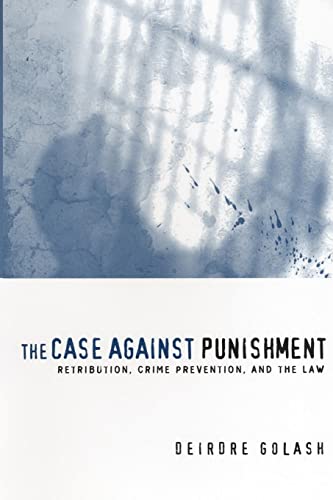

Exploring one of society's most deeply ingrained institutions, this compelling work challenges readers to reconsider fundamental assumptions about how we respond to wrongdoing, harm, and human error. Published by a leading academic press, this thought-provoking volume invites us into a profound dialogue about justice, morality, and the very nature of what it means to create a more compassionate world.
At its core, this work presents a bold philosophical argument that asks a deceptively simple yet profoundly important question: Is punishment actually justified? Rather than accepting punishment as an inevitable or necessary component of a functioning society, the examination unfolds layer by layer, revealing the logical, ethical, and practical problems embedded in our traditional approaches to criminal justice and moral accountability. For readers committed to personal growth and social consciousness, this represents an opportunity to examine beliefs that may have been inherited without scrutiny and to develop a more nuanced understanding of justice itself.
The central exploration moves beyond typical debates about prison reform or sentencing guidelines. Instead, it addresses fundamental philosophical questions that have shaped civilization for centuries. What is punishment meant to accomplish? Does it actually accomplish those goals? Is there a moral foundation for inflicting suffering on those who have caused harm? These questions matter profoundly to anyone interested in creating a more enlightened society, both at the personal and collective levels.
Throughout this intellectual journey, readers encounter carefully constructed arguments that examine punishment from multiple angles. The work considers whether punishment serves as a genuine deterrent, whether it successfully rehabilitates offenders, and whether it truly provides justice for victims. By systematically evaluating these claims against evidence and logical reasoning, the presentation reveals significant gaps between what we assume punishment does and what it actually accomplishes. This gap itself becomes a catalyst for transformation in how we might reimagine our approach to wrongdoing.
One of the most valuable aspects of engaging with this material involves recognizing how punishment operates not just in formal legal systems but throughout our daily lives, relationships, and self-perception. Many readers will discover unexpected connections to personal patterns of self-punishment, judgment, and internal accountability. By examining societal approaches to punishment, we simultaneously gain insight into how we punish ourselves and others in more subtle, everyday contexts.
The philosophical framework presented here invites readers to consider alternative approaches to justice that emphasize restoration, understanding, and transformation rather than retribution and suffering. This shift in perspective can be genuinely liberating for those who have internalized cultural narratives about deserving punishment, whether for past mistakes, inherent flaws, or simple human imperfection.
For those on a path of personal empowerment, this work provides intellectual ammunition against the shame narratives and punitive self-concepts that limit human potential. When we understand that punishment may not be morally justified or practically effective in society, we simultaneously give ourselves permission to release punitive approaches toward ourselves. This reframing can catalyze significant personal healing and growth.
The exploration also addresses how our beliefs about punishment affect our capacity for forgiveness, both toward others and ourselves. Many spiritual and personal growth traditions emphasize forgiveness as essential to liberation, yet these teachings can feel abstract or impractical without a deeper understanding of why punitive approaches feel so natural to us. This examination provides that understanding, grounding spiritual insights in philosophical and logical reasoning.
Ultimately, engaging with this rigorous philosophical work offers readers an opportunity to participate in genuine intellectual transformation. By questioning widely accepted assumptions about justice, punishment, and accountability, we expand our consciousness and open possibilities for more compassionate, effective approaches to harm and wrongdoing. This represents genuine personal empowerment through wisdom and expanded awareness.