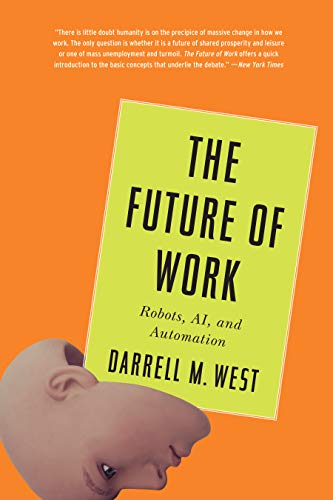
The nature of work is fundamentally changing, and understanding these shifts is essential for anyone seeking to create a meaningful, balanced life in the modern era. As technological innovation accelerates and economic structures evolve, the relationship between work, purpose, and personal fulfillment requires urgent attention and conscious exploration.
This comprehensive exploration examines how automation, artificial intelligence, and digital platforms are reshaping employment across all sectors of the economy. The transformation extends far beyond simple technological replacement of human workers. Rather, it touches the very core of how we organize our societies, distribute resources, and find meaning in our professional lives. For those committed to personal growth and social consciousness, understanding these dynamics is essential for navigating the future with intention and wisdom.
The narrative unfolds by first examining the current state of work disruption. Readers will discover how various industries face unprecedented challenges as machines and algorithms become increasingly capable of performing tasks once considered uniquely human. This includes not only routine manual labor but also many professional and knowledge-based positions. The implications are profound, affecting not just individual careers but entire communities and nations that have built their identities and economies around specific industries.
One of the most valuable insights presented is the recognition that this transformation is neither entirely new nor entirely unprecedented. Throughout history, technological changes have disrupted work patterns, from the agricultural revolution through industrialization to the digital age. However, the speed and breadth of current changes differ significantly from previous transitions. This accelerated pace means individuals must actively engage with their evolving career landscapes rather than simply accepting traditional career paths.
The exploration delves into specific strategies for adaptation and resilience. Readers will learn about the critical importance of continuous learning and skill development in an era where today's expertise may become obsolete relatively quickly. The emphasis on lifelong education transforms career development from a phase of early adulthood into an ongoing practice of growth and renewal. This perspective aligns beautifully with the spiritual understanding that personal development is a lifelong journey rather than a destination.
Perhaps most importantly, this resource addresses how we might cultivate harmony between professional demands and personal wellbeing. As work structures change, individuals gain unprecedented opportunities to challenge traditional notions of what work should look like. Remote work, flexible schedules, and new employment models create possibilities for greater work-life integration and alignment with personal values. The book encourages readers to think intentionally about what they want from their professional lives rather than simply accepting the status quo.
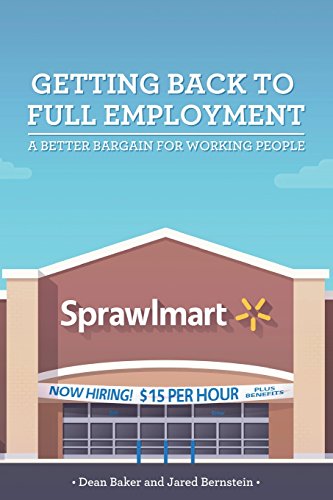
The social consciousness dimension is particularly compelling. The transformation of work raises fundamental questions about equity, opportunity, and how societies should support those displaced by technological change. Readers seeking to contribute positively to their communities will find valuable perspective on policy considerations, social support systems, and individual responsibility in ensuring that the future of work benefits broader populations, not just privileged segments of society.
Another significant contribution involves examining emerging work opportunities. Rather than presenting only a dystopian view of job displacement, the analysis reveals new categories of employment and entrepreneurial possibilities. Green energy sectors, healthcare services, creative industries, and human-centered professions are expanding. Understanding these growth areas helps readers identify where their skills and values might find expression and contribution.
The material encourages a fundamental shift in perspective about work itself. Rather than viewing employment primarily as a means of survival or status achievement, readers are invited to consider how their work might reflect their deepest values and contribute to meaningful purposes. This realignment supports personal transformation and genuine life satisfaction.
For anyone committed to creating a sustainable, conscious future while navigating their own career path, this comprehensive analysis provides both practical wisdom and philosophical grounding. It offers the knowledge and perspective needed to approach workplace transformation not with fear, but with informed intentionality and hope for positive change.