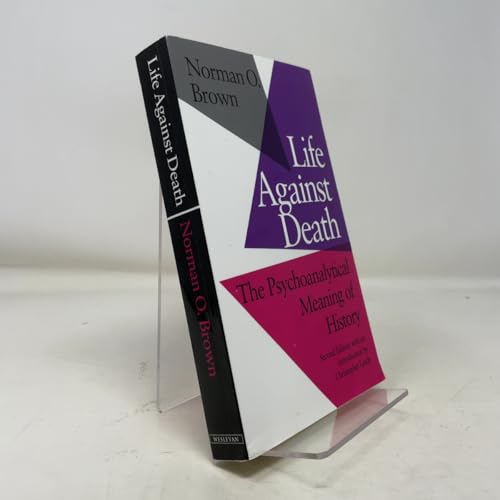



Discover one of the most provocative and transformative philosophical works of the twentieth century, a text that fundamentally challenges how we understand ourselves, our bodies, and our relationship with mortality. This groundbreaking exploration merges psychoanalytic theory with philosophical inquiry to expose how Western civilization has constructed elaborate defenses against our most primal reality: the fact of human death.
At its core, this work examines the proposition that our entire civilization represents an elaborate neurosis built upon the repression of death consciousness. Rather than accepting mortality as a natural aspect of existence, modern society has constructed systems of thought, behavior, and institutional power that deny and defend against this awareness. Through rigorous analysis, readers will discover how this repression shapes everything from our sexuality to our economic systems, from our relationship with our bodies to our psychological structures.
The philosophical framework presented here draws heavily from Freudian psychoanalysis, but transcends it in striking ways. By integrating perspectives from philosophers, theologians, and cultural theorists, the work argues that the neurotic structures of civilization are not inevitable or necessary. Instead, they represent one possible human response to mortality—a response that has caused immeasurable suffering and disconnection from authentic living. The central insight challenges readers to consider: what if we could develop a different relationship with death, one that doesn't require massive psychological and social repression?
Throughout this dense and demanding exploration, you will encounter arguments about the body and bodily experience that directly contradict contemporary culture. The text examines how Western thought has systematically devalued physical existence in favor of abstract mental constructs, how we have been taught to deny our sensuality and embodied nature, and how this denial serves particular power structures. By understanding these patterns, readers gain the ability to recognize and potentially transform their own internalized denials.
The work also explores the concept of sublimation—the psychological mechanism by which instinctual drives are redirected into socially acceptable activities. This analysis reveals how much of what we call "civilization," "progress," and "achievement" may actually represent displaced life energy, redirected away from authentic pleasure and presence toward endless accumulation and achievement. This recognition alone can shift how you understand your own motivations and desires.
One of the most valuable aspects of engaging with this material lies in its potential to awaken readers to unconscious patterns they have inherited from their culture. By bringing repressed awareness into consciousness, the possibility for genuine choice emerges. You may continue along cultural paths, but you will do so with awareness rather than automaticity. This consciousness itself constitutes a form of personal liberation.
The philosophical vision presented here ultimately argues for a reconciliation between life and death, between body and mind, between pleasure and responsibility. Rather than choosing between civilization and chaos, between growth and acceptance, the work suggests that human flourishing requires integrating what our culture has kept violently separated. This integration represents not regression but the possibility of authentic maturity.
Readers seeking to understand the deeper psychological roots of contemporary alienation, anxiety, and disconnection will find profound insights here. Those interested in philosophy, psychology, spirituality, and cultural transformation will discover a text that rewards deep engagement and reflection. The ideas presented challenge fundamental assumptions and invite readers into genuine self-inquiry.
This exploration serves as essential reading for anyone committed to personal transformation and cultural awakening, offering both diagnosis of our collective condition and invitation toward a fundamentally different way of being human.