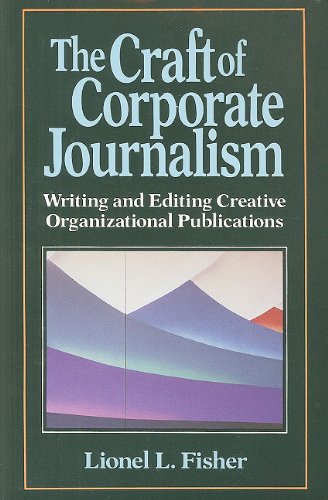
Corporate journalism stands as a powerful yet often misunderstood force shaping how information flows through modern organizations and ultimately influences public perception. This exploration into the mechanics of business communication reveals how corporations craft their narratives, control their messages, and manage their relationships with both internal and external audiences. For readers interested in social consciousness and how institutions shape our world, understanding these practices offers essential insight into the hidden machinery that drives contemporary business culture.
The practice of corporate communication extends far beyond simple press releases and annual reports. It encompasses a sophisticated system of strategic messaging designed to influence stakeholder perceptions, maintain competitive advantage, and shape corporate identity. When we examine how businesses communicate internally with employees and externally with the public, we uncover the deliberate choices, ethical considerations, and power dynamics that underlie every corporate message. This awareness becomes crucial for anyone seeking to understand how modern institutions operate and how they influence society at large.
Within corporate environments, journalism takes on a distinctive character that differs markedly from traditional media journalism. Corporate communicators must balance multiple objectives: maintaining positive relationships with external media, crafting compelling internal communications, managing crisis situations, and projecting a carefully curated corporate image. The tension between transparency and strategic positioning creates complex ethical landscapes that professionals must navigate daily. Understanding these dynamics helps readers recognize persuasive techniques employed in corporate messaging and develop critical consciousness about the information they consume.
The development of corporate communication as a professional discipline reflects broader changes in how organizations interact with society. As corporations have become increasingly powerful institutions, their communication strategies have become more sophisticated. What began as simple employee newsletters and press briefings has evolved into comprehensive communication ecosystems involving digital platforms, social media strategies, influencer partnerships, and carefully orchestrated public relations campaigns. Examining this evolution reveals how organizations learned to shape narratives about themselves and influence public opinion.
For individuals interested in personal and social growth, recognizing corporate communication tactics enhances media literacy and critical thinking. When readers understand how corporate messages are constructed, they become less susceptible to manipulation and better equipped to discern authentic information from strategic positioning. This knowledge empowers people to make more informed decisions as consumers, employees, and citizens. In an age of information overload and competing messages, developing this skill proves invaluable for maintaining personal integrity and informed consciousness.
The relationship between corporate journalism and social responsibility raises important questions about accountability and transparency. As corporations wield considerable influence over public discourse, examining their communication practices becomes essential for those concerned with social consciousness. When businesses control their narratives entirely, important information about workplace practices, environmental impact, or ethical concerns may remain hidden from public view. Understanding these information gaps encourages readers to seek alternative sources and question official corporate narratives.
The professional practices of corporate communicators also reflect larger questions about authenticity and purpose in business. Many individuals working in corporate communication face genuine tensions between their personal values and organizational objectives. They must decide where to draw ethical lines, when to speak truth to power, and how to maintain integrity within systems designed for strategic messaging. These human dimensions of corporate communication resonate with readers interested in how people maintain authenticity within institutional constraints.
Exploring this subject matter ultimately connects to broader concerns about how institutions serve society. When corporations communicate effectively, they can inspire positive change and build trust. When they obscure truth or manipulate perception, they undermine social consciousness and informed decision-making. By understanding the craft and mechanics of corporate journalism, readers gain tools for distinguishing between genuine corporate responsibility and calculated public relations, contributing to greater individual and collective awareness about the institutions that shape our world and influence our daily lives.