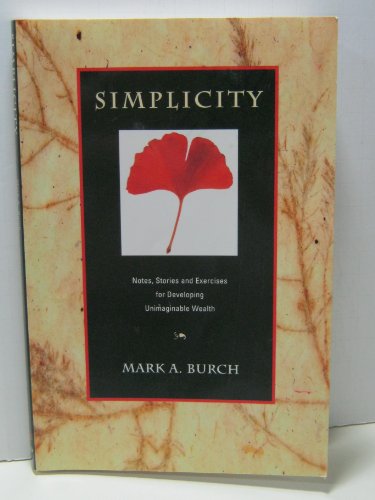

Discover how the deliberate reduction of excess can become a profound gateway to personal liberation and authentic fulfillment. This transformative exploration examines one of the most countercultural yet essential movements of our time: the conscious choice to live with less in order to gain more of what truly matters.
Modern life presents us with a paradox. Despite unprecedented access to material goods, entertainment, and conveniences, many people report feeling overwhelmed, anxious, and spiritually empty. The relentless pursuit of accumulationâmore possessions, more experiences, more statusâleaves us depleted rather than enriched. This work challenges that fundamental assumption about what constitutes a good life and offers readers a practical, philosophical framework for reimagining their relationship with consumption, time, and purpose.
At its core, this exploration recognizes that simplicity is not about deprivation or ascetic self-denial. Rather, it represents an intentional alignment between our values and our actual daily practices. The pages ahead guide readers through understanding how excessâwhether in possessions, commitments, information, or stimulationâfragments our attention and distances us from what genuinely nourishes our souls. By learning to distinguish between genuine needs and manufactured desires, we reclaim both our financial resources and our psychological freedom.
The work progresses through several interconnected themes that build upon each other to create a comprehensive vision of simplified living. Readers will discover practical strategies for evaluating their current lifestyle and identifying areas where simplification can yield immediate benefits. This isn't merely about organizing closets or downsizing homes, though these physical acts serve as powerful symbols and catalysts for deeper change. Instead, this becomes an exploration of how our external environment mirrors and influences our internal state of mind.
One of the most valuable aspects of this journey involves understanding the psychological mechanisms that drive us toward consumption. By examining the cultural messages, childhood conditioning, and emotional patterns that shape our spending habits, readers gain clarity about which choices are truly theirs and which have been unconsciously inherited or imposed. This awareness alone becomes transformative, allowing for genuine decision-making rather than reactive behavior.
The spiritual dimension of simplified living receives particular attention throughout these pages. Many spiritual traditions have long recognized that material excess creates spiritual confusion. When we're constantly distracted by managing, protecting, and maintaining possessions, our mental space becomes unavailable for contemplation, creativity, and connection with something larger than ourselves. Readers will explore how reducing external noise creates space for internal reflection and a deeper sense of purpose.
Crucially, this work also addresses the social and environmental dimensions of consumption. The choices we make about what we buy and keep have ripple effects that extend far beyond our personal lives. By understanding our role as conscious consumers, readers can align their purchasing decisions with their values and contribute to a more sustainable, equitable world. This perspective transforms the act of simplification from a personal indulgence into a form of social responsibility.
Practical wisdom fills these pagesâconcrete suggestions for approaching wardrobe choices, meal planning, digital simplicity, and time management. Rather than overwhelming readers with rigid rules, this work offers principles and guidelines that can be adapted to individual circumstances and values. The goal is sustainable change that enhances rather than diminishes quality of life.
What makes this exploration particularly relevant is its recognition that simplicity looks different for different people. A parent with young children, a creative professional, a contemplative soulâeach will express simplified living differently. The principles remain consistent, but the application becomes personalized.
By the end of this transformative journey, readers will have not only learned practical strategies for reducing excess but will have undergone a fundamental shift in perspective about what constitutes wealth, success, and a life well-lived. In our overstuffed world, simplicity becomes a revolutionary act of self-love and a gift to future generations.