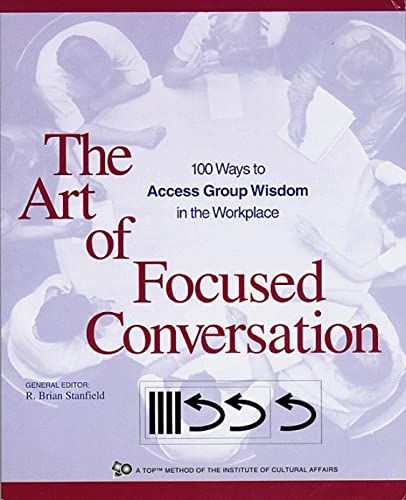
# The Art of Transformative Dialogue: Mastering Conversation as a Tool for Personal and Collective Growth
Discover how the simple act of conversation can become a powerful catalyst for genuine understanding, meaningful connection, and personal transformation. Within these pages lies a structured yet accessible approach to dialogue that transforms ordinary exchanges into opportunities for deep insight, creative problem-solving, and authentic human connection.
Most conversations in our daily lives remain superficial, operating on autopilot as we move through work meetings, family gatherings, and social interactions. We talk past one another, listen without truly hearing, and miss countless opportunities for meaningful exchange. This exploration into focused conversation reveals that there is another way—a deliberate, conscious approach to talking with others that honors both individual voices and collective wisdom. Through structured dialogue techniques, you will learn to create conversations that matter, where participants feel genuinely heard and valued, and where solutions emerge organically from the group's collective intelligence.
The methodology presented here emerged from decades of practical application in organizations, communities, and educational settings. It addresses a fundamental human need: to be listened to with respect, to have our thoughts taken seriously, and to participate in conversations that actually lead somewhere. Whether you are a manager seeking more productive team meetings, an educator hoping to deepen classroom discussions, a facilitator working with groups, or simply someone who wants richer relationships, these conversation frameworks provide concrete tools for transformation.
At its core, the approach distinguishes between casual conversation and focused dialogue. Casual conversation has its place, but focused conversation follows a specific arc designed to move participants from their initial reactions through deeper exploration toward genuine insight and meaningful action. This structure might seem rigid on the surface, but in practice it creates remarkable freedom—freedom from the anxiety of not knowing where a discussion is heading, freedom to fully engage without defending positions, and freedom to be changed by listening to others.
The process itself is elegantly simple, consisting of clearly defined stages that guide groups through systematic exploration of any topic, challenge, or experience. Each stage serves a specific purpose in the journey from surface awareness to deeper understanding. By honoring this natural progression, conversations become more productive, inclusive, and generative. Participants move beyond blame and defensiveness into genuine problem-solving. Quiet voices emerge alongside dominant ones. Creative solutions appear that no single person could have generated alone.
What makes this approach particularly powerful is its applicability across contexts. The same fundamental principles work in corporate boardrooms, community organizing efforts, classroom discussions, family conversations, and spiritual gatherings. Whether you are trying to address workplace conflict, facilitate community action, deepen learning, or simply have better conversations with people you love, these tools adapt to your specific needs and cultural context.
You will learn not just the theory but the practical skills of skilled listening, thoughtful questioning, and balanced facilitation. The book provides clear guidelines for creating psychological safety in conversations, ensuring all voices are heard, and helping groups think together rather than compete for dominance. Special attention is given to the role of the facilitator—whether that is a formal leader or simply someone who cares enough to guide a conversation toward genuine understanding.
The implications of mastering this approach extend far beyond improved meetings or better family dinners. In a world fractured by polarization, where people struggle to truly hear one another across differences, focused conversation offers a pathway toward genuine dialogue. It demonstrates that understanding does not require agreement, that diverse perspectives strengthen rather than weaken collective thinking, and that many seemingly intractable problems contain seeds of resolution when we know how to talk about them together.
This exploration invites you to see conversation itself as a skill worth developing, a practice worth refining, and a gift you can offer others. By implementing these principles, you step into greater personal empowerment while simultaneously contributing to more conscious, connected communities.