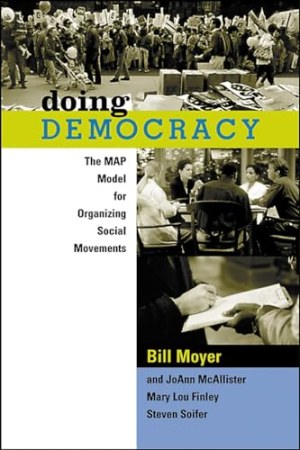
Democracy is not something that happens to us—it is something we must actively create through our participation. This groundbreaking work offers a comprehensive roadmap for ordinary citizens seeking to become effective agents of social change in their communities. Rather than viewing democracy as a distant concept controlled by politicians and institutions, this resource reframes it as a living practice that each of us can engage in daily.
The fundamental insight presented here is that lasting social change does not emerge from top-down mandates or isolated individual actions. Instead, transformation arises through sustained, strategic grassroots organizing where ordinary people work together with purpose and clarity. This perspective invites readers to reconsider their relationship with power and their capacity to influence the world around them.
One of the most valuable aspects of this work is its practical methodology for understanding and executing democratic action. The material provides a clear framework for thinking strategically about social change work. It distinguishes between different types of social movements and explains when particular tactics prove most effective. Rather than suggesting that all approaches work equally well in all situations, the guidance helps readers assess their unique circumstances and choose appropriate strategies accordingly.
The book walks readers through the essential components of building a successful movement. This includes understanding how to identify and mobilize your community, how to frame issues in ways that resonate with diverse audiences, and how to sustain momentum over the long term. For anyone who has felt frustrated by ineffective activism or wondered why some campaigns succeed while others falter, this material provides illuminating answers grounded in real-world experience.
A particularly important contribution is the emphasis on democratic process itself. The work recognizes that how we organize matters as much as what we are organizing for. If we seek to create a more just and participatory society, we must practice those values within our movements. This means developing decision-making processes that include diverse voices, ensuring that power is distributed rather than concentrated, and building cultures where people feel genuinely valued.
The spiritual and personal dimensions of democratic engagement receive thoughtful attention. Engaging in social change work can be deeply fulfilling, connecting us to something larger than ourselves and to community with others who share our values. However, this work also presents challenges, including burnout, discouragement, and conflict. The material addresses these realities directly, offering wisdom about sustaining oneself emotionally and spiritually while engaged in long-term change efforts.
Readers will discover how to assess their own skills, interests, and available time, then find meaningful roles within movements regardless of their current experience level. There is genuine recognition that different people contribute in different ways, and that all contributions are essential. Whether someone has hours to devote or only small pockets of time, there are valuable ways to participate.
The work also explores the relationship between personal growth and social change. As people become engaged in democratic action, they often experience significant personal transformation. They develop new skills, expand their sense of what is possible, and deepen their understanding of social systems and human nature. This mutual reinforcement between personal and social transformation makes democratic engagement inherently spiritually significant.
For those concerned about the state of our world and wondering what meaningful action looks like, this resource provides both inspiration and concrete guidance. It acknowledges the genuine challenges we face while offering a vision of how ordinary people, working together with strategic wisdom, can reshape their communities and society. The practical tools, psychological insights, and philosophical grounding offered here make this essential reading for anyone serious about contributing to positive democratic change.