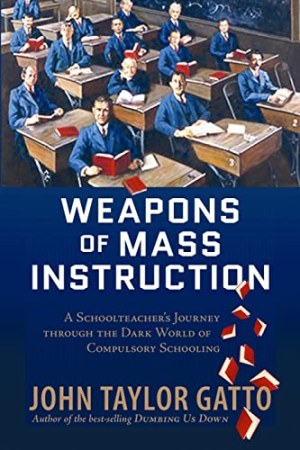
Have you ever wondered why our schooling system looks the way it does, despite centuries of reform efforts? What if the structure itself—not the teachers, not the curriculum, but the fundamental design—was intentionally created to produce specific outcomes that serve interests beyond genuine learning and human development?
This groundbreaking exploration takes readers on a remarkable journey behind the classroom curtain, revealing how compulsory education operates as a sophisticated system of social conditioning rather than authentic intellectual development. Drawing from decades of classroom experience, this work presents a meticulously researched examination of how modern schooling systematically undermines creativity, independent thinking, and the natural human drive to learn.
The investigation begins by tracing the origins of compulsory education in America, uncovering the philosophical and political motivations behind its implementation. Readers discover that the current educational model wasn't developed primarily to liberate minds or expand human potential, but rather to create compliant, predictable citizens suited to industrial labor and social hierarchy. This historical context proves essential for understanding why contemporary education looks so little like genuine learning and so much like a carefully orchestrated process of conformity.
Throughout this revealing account, the systemic mechanisms of control within schools become apparent. The rigid age-based grouping, the fragmentation of knowledge into isolated subjects, the emphasis on grades and competition, and the authority structures that discourage questioning all emerge as interconnected components of a larger design. Rather than viewing these as incidental features of education, this work demonstrates how they function as essential elements of a system designed to produce predictable outcomes and maintain social order.
One of the most illuminating aspects of this examination is how it explains why intelligent, compassionate teachers often feel trapped and frustrated within the system. Readers learn that individual educators frequently desire something radically different from what the institutional structure demands. The conflict between the human desire to foster genuine learning and the institutional imperative to sort, rank, and control creates a fundamental tension that no amount of pedagogical reform can resolve.
The investigation also addresses the psychological and social costs of this system on developing minds. Readers encounter the reality that compulsory schooling often produces anxiety, learned helplessness, and a disconnection from intrinsic motivation in children. The system's emphasis on external rewards and punishments gradually erodes the natural curiosity and joy that children bring to learning. Understanding these dynamics offers profound insights into why so many adults struggle with self-direction and genuine passion for growth.
Perhaps most importantly, this work doesn't merely critique the existing system; it illuminates what genuine education and authentic learning might look like. By understanding how the current structure operates, readers gain clarity about the possibilities that exist beyond it. Whether you're a parent seeking alternatives for your children, an educator questioning your role within the system, or an individual interested in understanding the forces that shaped your own development, this exploration provides the intellectual framework necessary for thinking differently about learning itself.
The implications extend far beyond education policy. This examination reveals how institutional systems shape human consciousness and behavior across multiple dimensions of society. Recognizing these patterns in schooling helps readers identify similar mechanisms of control operating in other domains of life, from workplaces to media to healthcare systems.
For anyone committed to personal growth and social consciousness, understanding these hidden architectures of institutional life proves essential. This journey through the realities of compulsory schooling offers both a wake-up call and a catalyst for reimagining what education could be when we prioritize human development over institutional control.