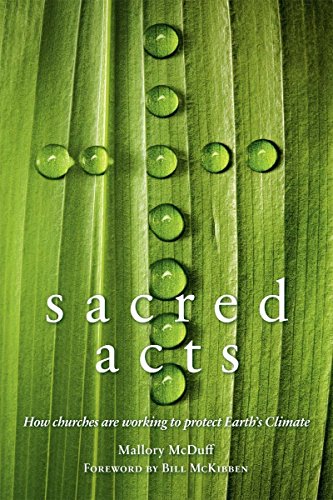
Discover how the natural world becomes a gateway to spiritual transformation and meaningful action. This compelling work explores the profound intersection of environmental consciousness and spiritual practice, revealing how our connection to the earth can deepen our sense of purpose and inspire genuine change in how we live.
At its heart, this exploration addresses a fundamental disconnect in modern spiritual life. Many people seek spiritual growth through meditation, prayer, and contemplative practice, yet fail to recognize that the natural world itself offers one of the most direct pathways to awakening. The earth—with its cycles, beauty, and intricate web of life—serves as both teacher and mirror for our own spiritual development. When we engage with nature not as a resource to be consumed but as a sacred presence to be honored, we unlock dimensions of spirituality that transform both our inner lives and our outer actions.
The core message centers on what might be called "sacred acts"—intentional practices that honor our relationship with the living world while simultaneously deepening our spiritual awareness. These aren't abstract spiritual concepts separated from daily life. Rather, they are concrete, accessible practices that anyone can integrate into their routine, regardless of their religious background or current spiritual tradition. Whether you're drawn to Christianity, indigenous spirituality, Buddhism, secular humanism, or any other framework for meaning-making, the principles explored here transcend denominational boundaries.
Readers will discover how environmental awareness and spiritual growth are not separate pursuits but deeply intertwined expressions of the same fundamental impulse toward wholeness and connection. The book demonstrates how activities like gardening, hiking, water conservation, sustainable eating, and habitat restoration become spiritual disciplines when approached with consciousness and intention. Through these practices, what might otherwise feel like mere ecological responsibility transforms into a meaningful spiritual journey.
One of the most valuable aspects of this work is its bridging of the personal and the planetary. In our current era of ecological uncertainty, many people experience anxiety about environmental destruction alongside a hunger for spiritual meaning. This resource shows how these seemingly disparate concerns actually point toward the same answer: a deepened awareness of our fundamental interconnection with all life. When we experience ourselves as part of nature rather than separate from it, our motivation for environmental stewardship shifts from obligation to love. We protect what we cherish, and we come to cherish what we truly know.
The book also addresses a common split in contemporary spirituality between those focused on inner development and those focused on social and environmental justice. Some spiritual practitioners concentrate exclusively on personal meditation and growth, while others dedicate themselves to activism and systemic change. Here, readers will find a framework that honors both dimensions as necessary and complementary. Spiritual practice without social consciousness can become self-centered escapism. Social activism without spiritual grounding can lead to burnout and despair. The integration of both creates sustainable, meaningful transformation.
Readers seeking to deepen their spiritual practice will find practical guidance for how to make their spirituality more embodied, more connected to the physical world, and more consequential. Those already engaged in environmental work will discover how to infuse their efforts with spiritual depth, transforming what might feel like thankless labor into sacred calling. And those simply seeking greater meaning and connection in an increasingly disconnected world will find a pathway that grounds spirituality in something tangible, real, and essential.
This exploration matters now more than ever. As environmental challenges intensify and spiritual hunger grows, we need integrated approaches that address both the crisis of the earth and the crisis of meaning in human life. By recognizing our participation in the sacred act of tending creation, we reclaim our role as conscious participants in the web of life rather than as consumers standing outside it.