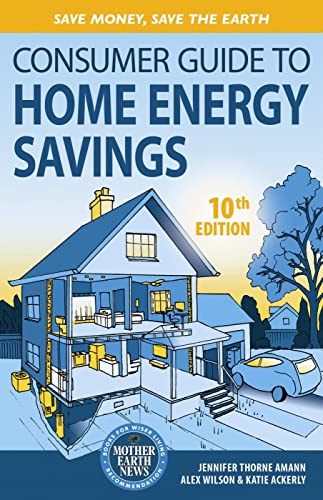

Transforming your home into an energy-efficient sanctuary isn't just about reducing utility bills or helping the environment, though both are valuable outcomes. It's a deeply personal journey toward self-sufficiency, intentional living, and taking meaningful control over the systems that sustain your daily life. When you understand how energy flows through your home and learn concrete ways to minimize waste, you reclaim agency in one of life's fundamental areas: the roof over your head.
Most of us never pause to consider the invisible infrastructure supporting our comfortable modern lives. Electricity flows from outlets, heat emerges from vents, and hot water appears at our taps, all seemingly by magic. Yet this disconnection from the systems sustaining us creates a passive relationship with our environment and our resources. We become consumers rather than conscious participants. This guide invites you to awaken to the reality of your home's energy consumption and discover that you possess far more power to shape this reality than you likely realize.
The journey begins with understanding the fundamentals. You'll learn how homes lose energy through various pathways, why certain rooms feel uncomfortable during different seasons, and what actually happens when you adjust your thermostat. This foundational knowledge transforms abstract concepts into tangible realities you can observe in your own living spaces. Once you understand the mechanics, you're no longer relying on professionals to diagnose problems or make decisions about your home. You become an informed participant capable of making strategic choices aligned with your values and circumstances.
The practical guidance provided addresses every major system within a home. You'll discover methods for evaluating your home's current efficiency level, identifying areas where energy escapes, and implementing solutions ranging from simple, no-cost adjustments to more substantial improvements. Some strategies involve merely changing habits and behaviors, tapping into your capacity for mindful living. Others require modest investments in weatherization or upgraded fixtures that pay for themselves through reduced utility costs over time. Understanding these options empowers you to make decisions based on your unique situation, timeline, and financial capacity rather than following generic recommendations.
Heating and cooling typically consume the largest share of residential energy. You'll learn how to optimize these systems for both comfort and efficiency, understanding the relationship between insulation, ventilation, and temperature regulation. Water heating, lighting, appliances, and phantom loads all receive thorough attention. Perhaps most importantly, you'll understand the concept of return on investment, enabling you to prioritize improvements that make sense for your specific home rather than implementing solutions indiscriminately.
Beyond technical information, this exploration invites deeper reflection on consumption itself. How much energy is enough? What comfort levels truly matter for your wellbeing, and where might you be maintaining habits more from convention than actual preference? These questions bridge the practical realm of home efficiency with the personal growth dimensions of intentional living. Many people discover that they can maintain their comfort while using significantly less energy than they previously thought necessary, revealing a gap between perceived needs and actual requirements.
This knowledge also builds resilience. Energy independence means less vulnerability to price fluctuations, supply disruptions, or circumstances beyond your control. Whether facing economic uncertainty or simply seeking greater self-reliance, understanding and optimizing your home's energy systems contributes to genuine security. You become less dependent on external infrastructure and more confident in your ability to maintain your living space regardless of external pressures.
The environmental dimension carries profound significance for those seeking to live with greater consciousness and integrity. Personal energy conservation represents one of the most direct ways individuals can reduce their ecological footprint. Rather than feeling powerless in the face of global challenges, you engage in tangible action within your own sphere of influence.
This path toward home energy awareness ultimately reflects a shift in consciousness, transforming your dwelling from a passive consumer of resources into a responsive system you actively optimize for efficiency, comfort, and sustainability.