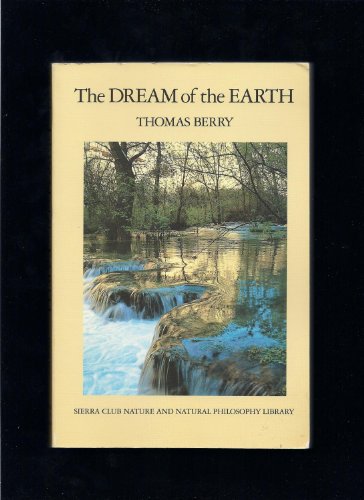



Discover a transformative perspective on what it means to be human in a living universe. This groundbreaking work presents a spiritual and ecological framework that fundamentally challenges how we understand our place in nature and our responsibility to future generations.
At its heart, this exploration reveals how we have become disconnected from the natural world and, in doing so, disconnected from ourselves. The text articulates a profound truth: that the Earth is not merely a collection of resources to be exploited, but a living, conscious entity with which we share an intimate and sacred relationship. Readers will encounter a compelling argument that our current environmental crisis is ultimately a spiritual crisis—a crisis of meaning, values, and purpose. By reconnecting with the larger community of life, we discover pathways toward healing that integrate personal transformation with planetary restoration.
The work moves beyond conventional environmentalism by grounding ecological awareness in cosmology and spirituality. It explores how our understanding of the universe itself has evolved and how this evolution should fundamentally reshape our consciousness. Rather than viewing humans as separate from nature or superior to it, the text invites readers to recognize themselves as integral expressions of the Earth's own creativity and consciousness. This shift in perspective has profound implications for how we live, what we value, and the legacy we leave behind.
Throughout these pages, you will encounter the concept of the "Ecozoic Era"—an emerging consciousness that recognizes the universe as a communion of subjects rather than a collection of objects. This represents a radical reimagining of human purpose and possibility. Instead of a species locked in competition and domination, we are invited to become participants in a new relationship with all beings, one based on reciprocity, reverence, and shared flourishing.
The text provides readers with intellectual frameworks, spiritual insights, and practical wisdom for understanding why ecological destruction and human suffering are inextricably linked. It explains how our economic systems, educational institutions, and cultural narratives have fostered exploitation and extractive thinking. More importantly, it offers a vision of how these systems might be transformed to reflect a deeper, more authentic relationship with the natural world.
What makes this work particularly valuable for those seeking personal empowerment is its integration of individual transformation with collective change. Readers will discover that personal growth and spiritual development are not separate from environmental action—they are intimately connected. As you shift your consciousness and deepen your understanding of your place in the web of life, you naturally become an agent of positive change in the world. This is empowerment in its truest sense: the recognition of your agency, your interconnectedness, and your capacity to contribute to a better future.
The prose throughout is both intellectually rigorous and spiritually nourishing. Complex ideas about geology, cosmology, and biology are woven together with philosophical reflection and poetic language. This combination makes profound concepts accessible while honoring their depth and significance.
For anyone on a path of conscious awakening, seeking to understand the spiritual dimensions of ecological crisis, or yearning to align their daily life with deeper values, this work offers essential guidance. It answers fundamental questions about who we are, what we're here for, and how we might live with greater authenticity and purpose. The insights gained will not only expand your consciousness but also inspire meaningful action in your life and community.
This is more than an intellectual exercise—it is an invitation to participate in one of humanity's most urgent transformations: the awakening to our true nature as expressions of a sacred, living Earth.