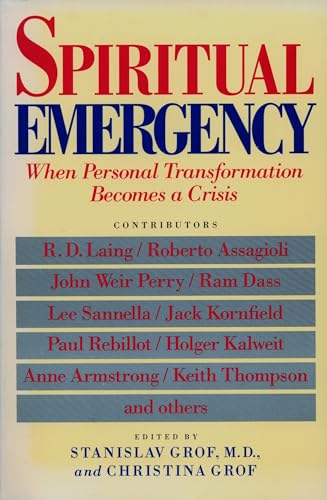




Imagine experiencing a profound shift in consciousness that feels overwhelming, disorienting, and frightening rather than enlightening. Imagine spiritual experiences that feel like emergencies, psychological crises that defy conventional psychiatric diagnosis, or moments of expanded awareness that leave you questioning your sanity. This groundbreaking exploration offers a radically different framework for understanding these intense psychological and spiritual experiences, presenting them not as pathology but as opportunities for profound healing and growth.
The journey into deeper consciousness often comes with challenges that our modern medical and psychological systems are ill-equipped to handle. Many individuals undergoing spiritual awakening, kundalini activation, or other non-ordinary states of consciousness find themselves labeled with psychiatric disorders, medicated into suppression, or dismissed by well-meaning professionals who lack the vocabulary to understand their experiences. This work addresses that critical gap, offering validation, understanding, and practical guidance for those navigating the turbulent terrain between psychological breakdown and spiritual breakthrough.
The core insight presented challenges the fundamental assumption that all altered states of consciousness indicate mental illness. Rather, the framework distinguishes between spiritual emergencies, which are transformative crises with profound healing potential, and psychiatric emergencies requiring conventional intervention. Readers learn to recognize the characteristics that differentiate these experiences, including the presence of meaningful symbolism, the individual's capacity to maintain some observing awareness, and the gradual emergence of integration and growth over time.
Throughout this exploration, you'll discover numerous case studies and examples of individuals experiencing various forms of spiritual crisis. These include episodes of expanded consciousness, mystical experiences, encounters with archetypal forces, past-life memories, and kundalini activation. Each case illuminates different dimensions of the spiritual emergency experience and demonstrates how proper support and understanding can transform what initially seems catastrophic into profoundly healing experiences. The narratives reveal patterns that help readers recognize similar processes in their own lives or in those they care for.
One of the most valuable aspects involves understanding the role of the nervous system and body in spiritual transformation. Rather than treating consciousness as purely mental or psychological, this work integrates somatic awareness, recognizing how kundalini energy movements, spontaneous kriyas, and physical sensations interact with psychological and spiritual dimensions. Readers gain appreciation for the whole-person nature of transformation and learn to work with their bodies rather than against them during intense experiences.
The practical guidance provided extends to creating safe containers for spiritual emergence, working with trained facilitators, establishing grounding practices, and developing support systems. The material acknowledges that spiritual crisis often requires professional assistance, but outlines what kind of assistance actually helps. Rather than sedating medication or dismissive therapy, this approach calls for practitioners who understand the spiritual dimension of human experience and can hold space for transformation while ensuring safety and stability.
Beyond individual experiences, the exploration addresses the broader implications of spiritual emergencies for our understanding of human potential and consciousness itself. When properly integrated, these intense experiences contribute to expanded awareness, greater compassion, enhanced creativity, and deeper purpose. They represent not failures of the psyche but invitations toward greater wholeness and authentic functioning. Understanding this perspective fundamentally changes how individuals relate to their spiritual experiences and crises.
The material also speaks to family members, partners, and friends of those experiencing spiritual emergencies, offering them frameworks for providing support without reinforcing pathological interpretations. The compassionate guidance helps loved ones navigate their own confusion and concern while genuinely assisting the person in crisis.
For anyone interested in consciousness, spirituality, psychology, healing, or personal transformation, this exploration offers essential knowledge. Whether you're currently experiencing a spiritual crisis, seeking to understand unusual experiences from your past, supporting someone in the midst of transformation, or simply curious about the frontiers of human consciousness, this work provides illuminating perspectives and practical wisdom that honors both the depth of spiritual experience and the reality of psychological integration challenges.