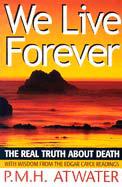


Death remains one of humanity's greatest mysteries and deepest fears. Yet what if death is not an ending, but a transition? What if consciousness continues beyond the physical body, and our essential selves persist in forms we can barely imagine? This groundbreaking exploration invites readers into a profound investigation of near-death experiences and their revolutionary implications for how we understand existence, purpose, and our place in the cosmos.
The centerpiece of this work draws from extensive research into near-death experiences, those extraordinary moments when individuals find themselves on the threshold between life and death. Rather than dismissing these accounts as hallucinations or neurological misfirings, this investigation treats them with the seriousness and scholarly rigor they deserve. Through careful analysis of countless testimonies from people who have stood at death's door and returned, a compelling picture emerges of what awaits us beyond physical existence.
Readers will discover that near-death experiences are far more common than many realize. Millions of people across cultures, religions, and backgrounds have encountered similar phenomena during their own brushes with mortality. They report consistent themes: tunnels of light, encounters with loving beings, profound peace, panoramic life reviews, and a sense of returning to a spiritual home. These aren't the fantasies of isolated individuals but recurring patterns that suggest something genuinely significant is occurring at the moment of death.
What makes this exploration particularly valuable is its approach to understanding these experiences within a broader spiritual framework. The investigation goes beyond mere documentation of what people report and delves into the deeper meaning these encounters hold for our understanding of consciousness, soul, and divine purpose. Readers will encounter evidence suggesting that death is fundamentally a spiritual experience, one that reveals the true nature of our existence and our eternal relationship with something greater than ourselves.
One of the most transformative aspects of this work is how it reframes death from something to be feared into something to be understood and perhaps even welcomed. By examining thousands of accounts from people who have touched the other side, patterns emerge that suggest the afterlife is not punishment or oblivion but continuation, growth, and reunion. Those who have experienced these visions frequently report that their deepest anxieties about death dissolve, replaced by peace and certainty about existence's continuity.
The spiritual implications are profound and far-reaching. If consciousness does indeed continue beyond death, this fundamentally changes how we should live now. The work explores how understanding life's continuity can reshape our priorities, relationships, and daily choices. When we recognize that our actions have eternal consequences and that our connections with loved ones transcend physical death, we naturally begin to live with greater intention, compassion, and purpose.
Readers seeking personal empowerment will find that contemplating these truths offers remarkable psychological and spiritual benefits. Understanding that we are eternal beings in a temporary physical form can liberate us from petty concerns and superficial goals. It encourages us to develop our spiritual nature, strengthen our character, and invest in meaningful relationships. The fear that often paralyzes human potential dissolves when we recognize our fundamental immortality.
This exploration also addresses how near-death experiences transform those who have them. Survivors consistently report becoming less materialistic, more loving, more committed to spiritual growth, and more dedicated to helping others. Their lives gain direction and meaning as they integrate their glimpses of eternity into their earthly existence. Their testimonies serve as inspiration and roadmap for readers seeking to live with greater awakening and purpose.
The research presented here bridges science and spirituality, honoring both rational inquiry and mystical experience. It demonstrates that understanding death need not require abandoning reason or faith—both can work together to illuminate life's deepest mysteries.