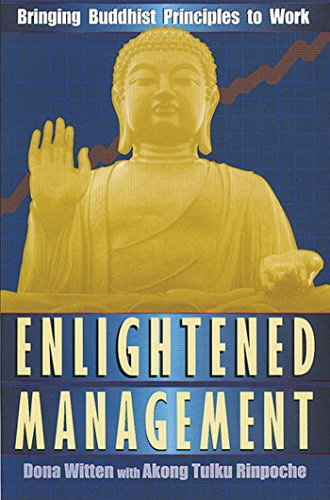

Discover a transformative framework that fundamentally reimagines what it means to lead, work, and succeed in the modern business world. This groundbreaking exploration challenges the conventional wisdom that has dominated corporate culture for decades, offering instead a vision of management grounded in consciousness, integrity, and genuine human development.
The central premise is both radical and compelling: that the most effective and sustainable business practices emerge not from exploitation, manipulation, or purely profit-driven motivations, but from a deep commitment to the spiritual and personal growth of everyone involved in the enterprise. This perspective represents a significant departure from traditional management theory, which has long separated the inner life from the outer work environment, treating spirituality and business as fundamentally incompatible domains.
Throughout these pages, readers will encounter a comprehensive examination of how consciousness transforms organizational culture. The work demonstrates that when managers and business leaders approach their roles with genuine awareness, ethical commitment, and respect for the humanity of their employees, the results are remarkable. Companies operating from this enlightened perspective experience greater innovation, improved employee retention, stronger customer relationships, and more authentic financial success. Perhaps most importantly, they create workplaces where people actually want to be, where their talents are honored, and where they can experience genuine meaning through their labor.
The exploration delves deeply into the practical mechanics of implementing conscious management practices. Readers will discover specific strategies for creating organizational cultures based on trust rather than fear, on transparency rather than manipulation, and on mutual respect rather than hierarchical domination. These aren't abstract ideals or impossible standards, but tangible approaches that have proven effective in real-world business environments. The material addresses how to handle conflict with integrity, how to make ethical decisions when profit margins are at stake, and how to build teams that are genuinely engaged rather than merely compliant.
One of the most valuable aspects of this material is its honest assessment of the challenges involved in implementing enlightened management. The work doesn't pretend that transforming business culture is simple or that there aren't genuine obstacles and pressures working against conscious practices. Instead, it provides realistic guidance for navigating these difficulties while maintaining ethical commitment. This pragmatic approach makes the ideas accessible and applicable for readers operating in actual corporate environments with real constraints and competing demands.
The book also explores the profound connection between personal development and effective leadership. Readers will gain insights into how their own inner work, spiritual practice, and psychological growth directly influence their capacity to lead others wisely. This recognition that self-awareness and personal integrity are not luxuries but foundational requirements for authentic leadership is increasingly relevant as workplaces struggle with burnout, disengagement, and ethical scandals.
For anyone seeking to align their professional life with their deeper values and spiritual commitments, this material offers both inspiration and practical guidance. It's particularly valuable for those in leadership positions who feel trapped between their conscience and conventional business expectations. The work affirms that these don't have to be opposing forces, and that some of the most successful organizations are those built on principles of consciousness and authentic human connection.
Whether you're an executive questioning traditional management approaches, an employee seeking more meaningful work, or an entrepreneur building a company from scratch, this exploration provides essential perspective on what's truly possible when business operates from enlightened principles. The material makes clear that transforming how we work isn't merely about feeling better during our professional hours, though that's certainly welcome. It's about creating organizations and systems that actually contribute to human flourishing rather than undermining it, and that's a change worth pursuing.