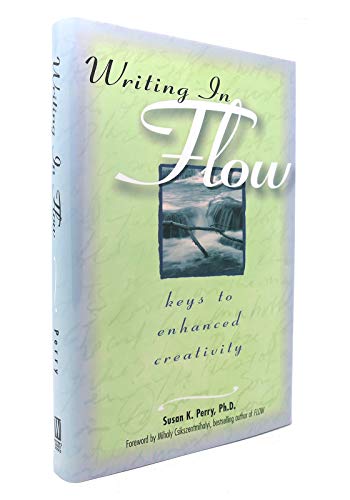
Have you ever experienced a moment where words seemed to pour effortlessly onto the page, where time dissolved and your creative self took complete control? Where the self-consciousness that typically haunts your writing sessions vanished, replaced by pure, undiluted expression? This state of optimal creativity, known as flow, represents one of the most powerful experiences available to writers of all levels, yet it remains elusive for many who struggle with their craft.
This exploration of flow psychology reveals how writers can access and sustain the mental state that transforms writing from a laborious chore into a deeply satisfying, almost transcendent experience. Rather than treating writing as a disconnected technical skill divorced from psychology, this work bridges the gap between cognitive science and creative practice, offering readers a comprehensive understanding of why some writing sessions feel effortless while others feel like pushing boulders uphill.
The concept of flow, as originally developed by positive psychologist Mihaly Csikszentmihalyi, describes complete absorption in an activity where challenge and skill exist in perfect balance. When applied specifically to writing, flow represents that magical convergence where your ability matches the difficulty of your task, where distractions fade into insignificance, and where creative expression becomes as natural as breathing. Understanding this state and learning to access it deliberately can revolutionize your relationship with writing.
Throughout this practical guide, readers discover the psychological foundations underlying creative flow and learn specific techniques to cultivate this state intentionally. The exploration extends beyond mere theory, providing actionable strategies that writers can implement immediately to interrupt patterns of procrastination, perfectionism, and creative block. For those who have battled their inner critic or struggled with self-doubt while writing, these insights offer genuine pathways toward liberation and authentic expression.
One of the most valuable aspects of this work involves examining the common obstacles that prevent writers from entering flow states. These barriers often stem from internal psychological patterns rather than external circumstances. Fear of judgment, unrealistic expectations, perfectionism, and self-consciousness frequently disrupt the delicate mental conditions necessary for flow. By understanding these saboteurs and their origins, readers gain the awareness needed to transform them into allies rather than enemies.
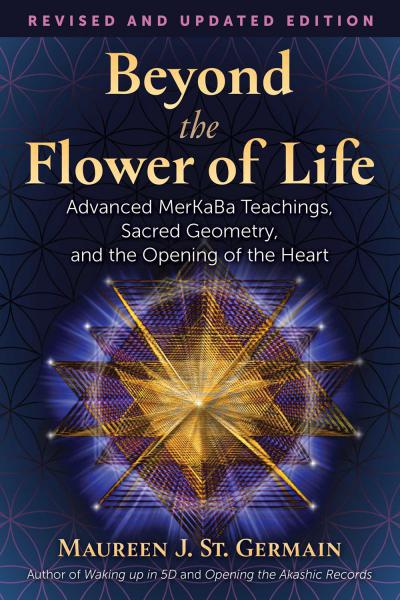
The connection between flow and personal growth extends far beyond productivity and output. When writers regularly access flow states, they develop deeper self-knowledge and confidence. The experience of complete absorption in meaningful work nourishes the soul and contributes to overall life satisfaction and well-being. For those on spiritual or personal development journeys, understanding flow psychology offers a framework for accessing states of consciousness that feel both grounded and transcendent, practical and deeply meaningful.
This work particularly resonates with individuals who recognize that their creative blocks often mirror their life patterns. The struggles experienced while writing frequently reflect larger issues around self-expression, authenticity, and personal empowerment. By addressing creative obstacles through the lens of flow psychology, readers often discover unexpected insights about themselves that extend into all areas of their lives.
The practical applications presented here serve writers working in diverse genres and formats. Whether crafting novels, poetry, essays, memoir, or professional writing, the principles of flow psychology apply universally. The techniques offered provide customizable approaches that honor individual differences in temperament, work style, and creative process.
For those serious about developing their writing craft while simultaneously nurturing their psychological well-being and spiritual growth, this exploration offers an integrative approach that treats writing not as separate from personal development but as integral to it. By learning to consistently access flow states, writers unlock not only their creative potential but also deeper dimensions of their authentic selves, discovering that the path to becoming a better writer often illuminates the path to becoming a better, more fulfilled human being.