




Happiness & Success
Achieving Happiness Through Acceptance of Life
The quest for happiness often leads to frustration, as many fail to realize that the...








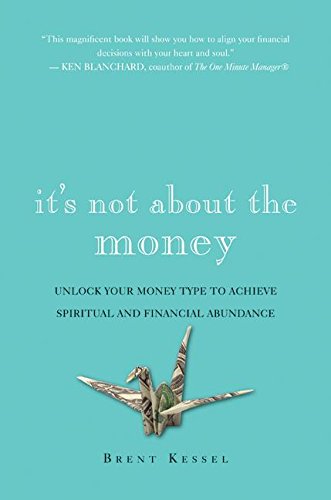
Money touches every aspect of our lives, yet most of us have never stopped to examine the complex web of emotions, beliefs, and unconscious patterns that drive our financial decisions. This groundbreaking work reveals that our struggles with money are rarely about dollars and cents—they're about the deeply ingrained psychological patterns we've developed since childhood, patterns that keep us trapped in cycles of anxiety, overspending, hoarding, or chronic dissatisfaction regardless of how much wealth we accumulate.
Drawing from years of experience as both a financial advisor and dedicated yoga practitioner, this transformative guide bridges the worlds of practical financial planning and spiritual wisdom. The central insight is revolutionary yet intuitive: we each develop what are called "money archetypes"—unconscious personality patterns that determine how we earn, spend, save, and relate to money. These archetypes develop as coping mechanisms, ways we learned to feel safe and secure in an uncertain world. Until we understand these patterns, we remain their prisoners, endlessly repeating the same financial mistakes or feeling perpetually dissatisfied despite outward success.
Eight core money archetypes are explored in depth, each representing a different strategy for finding security and happiness through our relationship with money. The Guardian seeks safety through careful saving and protection. The Pleasure Seeker uses spending as a gateway to joy and living fully in the present. The Idealist rejects material concerns in pursuit of higher values. The Saver finds security in accumulation. The Star equates self-worth with financial success and recognition. The Innocent avoids financial responsibility altogether. The Caretaker gains worth through generosity to others. The Empire Builder pursues power and influence through wealth creation.
Read more ▼
The quest for happiness often leads to frustration, as many fail to realize that the...

Reaching sixty can evoke complex emotions, blending relief with ongoing ambition. This...

The quest for life's purpose often leads to unsatisfactory answers. This article...

Romantic love is a complex emotion shaped by historical, cultural, and biological...

Imagine going through one of the most physically and emotionally demanding experiences...

Daily actions often conflict with personal beliefs due to past experiences. By utilizing...

Have you ever argued over something that wasn't actually said? From cultural differences...

Therapists often use dream interpretation to delve into patients' emotions, but true...