# Transforming the Parent-Child Relationship Through Intentional Guidance and Connection
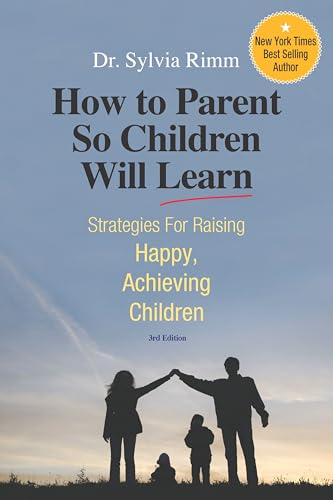
Parenting stands as one of life's most profound responsibilities, yet so many guardians find themselves navigating these waters without a clear map. This guide offers a compassionate and scientifically grounded approach to one of the most fundamental questions parents face: How can I support my child's learning and growth while building a relationship based on mutual respect and understanding?
The foundation of this exploration rests on a simple yet transformative premise: the way you parent directly influences not only what your children learn academically, but how they approach life itself. Rather than prescribing rigid rules or quick fixes, this resource invites parents into a deeper understanding of the connection between parenting styles and children's willingness to engage with learning. It recognizes that behind every struggling student, withdrawn child, or behavior problem often lies a frustrated parent searching for answers.
What makes this approach distinctive is its integration of psychology, education, and practical wisdom. Readers will discover how their own attitudes toward learning, success, and failure directly shape their children's beliefs about their own capabilities. This reflection becomes powerful medicine for transformation. When parents understand how their words, reactions, and expectations travel like invisible threads into their children's developing minds, they gain the ability to choose differently.
Throughout these pages, you'll encounter concrete strategies for recognizing your child's unique learning style and potential. Some children thrive through visual learning, others through movement and kinesthetic experience, and still others through discussion and auditory input. Understanding these differences prevents the common trap of trying to force children into one-size-fits-all educational boxes. This personalized approach honors the individual within each child and opens pathways to genuine engagement with learning.
The text addresses a critical issue that haunts many households: the battle over homework, grades, and achievement. Rather than viewing these struggles as problems to be conquered through punishment or control, you'll learn to reframe them as opportunities for deeper connection. The strategies presented help parents step back from the role of taskmaster and step into the role of empowered guide. This shift in perspective often defuses conflict naturally and rebuilds trust that may have been damaged through years of power struggles.
Particularly valuable is the exploration of how perfectionism, fear of failure, and self-doubt develop in children. Many well-meaning parents inadvertently cultivate these limiting beliefs through their responses to mistakes and setbacks. You'll discover how to create a home environment where mistakes become curious teachers rather than shameful failures, where effort is celebrated alongside achievement, and where your child's inherent worth remains constant regardless of test scores or performance outcomes.
The book also examines the crucial role of encouragement versus praise. This distinction may seem subtle, but its impact is profound. Genuine encouragement builds intrinsic motivation and resilience, while certain types of praise can actually undermine confidence and create pressure. Learning to recognize the difference and implement encouragement skillfully transforms the entire emotional climate of the family.
Beyond academic learning, these principles address how children develop as whole human beings. When parents understand the psychological needs driving behavior, they can respond with greater compassion and wisdom. This approach supports children in developing self-regulation, curiosity, persistence, and the capacity to learn from setbacks—qualities far more valuable than any grade or test score.
Readers seeking to deepen their relationships with their children will find this resource both enlightening and practical. It offers the kind of genuine guidance that allows parents to release guilt about past approaches while moving forward with renewed confidence and clarity. In essence, this guide teaches that strong parenting and effective learning are inseparable from authentic connection, mutual respect, and a shared belief in human potential.