In an era of unprecedented commercial saturation, the bonds between parents and children face invisible yet powerful pressures that most families rarely examine directly. This exploration reveals how marketing forces, consumer culture, and corporate interests have fundamentally altered childhood itself, creating profound implications for the relationships we build with our young ones and the values we instill in the next generation.
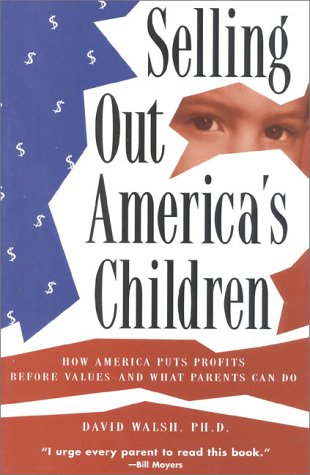
The modern child grows up as both a consumer and a target of aggressive commercial persuasion. From infancy through adolescence, children encounter thousands of advertisements daily, each carefully designed to influence their desires, shape their identities, and create emotional connections between products and happiness. Understanding these mechanisms becomes essential for parents seeking to nurture authentic connections with their children and protect the innocence that should characterize early development. The relationship between parent and child, once a relatively protected space for learning about values and character, now competes with billion-dollar industries designed specifically to capture children's attention and loyalty.
One of the most striking revelations is how childhood has been commodified as a market segment rather than protected as a period of growth and discovery. What was once considered a natural developmental stage has been redefined through commercial lenses as an opportunity for profit. Toys are no longer simple playthings but vectors for brand loyalty. Entertainment properties become elaborate systems designed to sell merchandise, fast food, and experiences. Even education increasingly incorporates corporate sponsorships and brand partnerships. For parents navigating these waters, the implications are staggering. How can we maintain meaningful connections with our children when powerful external forces work constantly to shape their preferences, desires, and self-image?
The psychological impact on children deserves careful consideration. Young minds are developing their sense of self, their understanding of relationships, and their values about what matters in life. When commercial messages continuously suggest that happiness comes from purchasing, that worth is measured in possessions, and that love is expressed through consumption, we witness the distortion of essential human development. Children internalize these messages, sometimes without awareness, affecting how they relate to themselves, their peers, and ultimately their parents. The parent-child relationship becomes complicated when children interpret parental love through the lens of purchased goods and when peer relationships center on status symbols rather than genuine connection.
This exploration examines the deliberate strategies corporations employ to reach children, including product placement in entertainment, celebrity endorsements, viral marketing campaigns, and the exploitation of developmental vulnerabilities. It reveals how the television industry, toy manufacturers, fast food chains, and technology companies conduct sophisticated research into child psychology to maximize their influence. Parents will discover the specific techniques used to make products irresistible to young consumers and to create desires that didn't previously exist. Understanding these tactics provides the first step toward protecting children from manipulation.
Beyond the mechanics of marketing, this investigation addresses the broader cultural implications of a consumer-driven childhood. It examines how commercial values compete with spiritual growth, authentic self-discovery, and the development of healthy relationships. When children are raised to measure success by material accumulation, when their emotional needs are addressed through purchases rather than presence, when family time is compromised by consumption activities, the very foundation of meaningful relationships erodes.
Parents, educators, and anyone concerned with child welfare will find practical insights into recognizing these forces at work in daily life. The understanding gained becomes transformative, allowing conscious adults to make deliberate choices about how much commercial influence enters their family systems. This knowledge empowers those committed to raising children with stronger values, more authentic self-concepts, and deeper capacities for genuine human connection in an increasingly commercialized world.