

Happiness & Success
Achieving Happiness Through Acceptance of Life
The quest for happiness often leads to frustration, as many fail to realize that the...








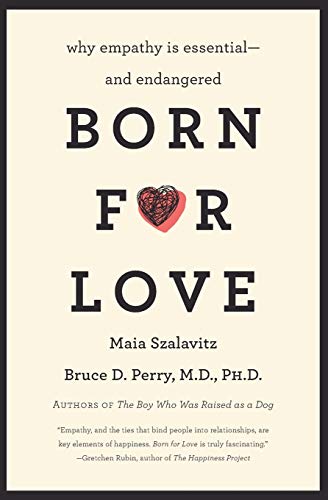
At the heart of human existence lies a remarkable capacity that shapes everything from our earliest moments to our final days: the ability to form deep, meaningful connections with others through empathy and love. This profound exploration into the neuroscience and psychology of human attachment reveals why our capacity for compassion isn't just a pleasant personality trait, but rather an essential biological imperative that determines the health of individuals, relationships, and entire societies.
Drawing on decades of research in child development, neuroscience, and trauma treatment, this work illuminates how the brain develops its capacity for empathy and connection through early relationships. The science is clear and compelling: human beings are literally born to love, with neural pathways designed to forge bonds with caregivers from the moment of birth. Yet this innate capacity requires nurturing to flourish. Without consistent, attuned care during critical developmental windows, the brain's empathy circuits may never fully develop, leading to profound consequences that ripple throughout a lifetime.
Readers will discover how the quality of early relationships literally shapes brain architecture, influencing everything from stress regulation to the ability to read social cues and feel concern for others. Through vivid case studies and real-world examples, the material demonstrates how children who receive responsive, loving care develop robust neural networks for empathy, while those who experience neglect, abuse, or inconsistent caregiving may struggle with connection throughout their lives. These aren't abstract concepts but observable, measurable differences in brain structure and function that profoundly affect relationship capacity.
Read more ▼
The quest for happiness often leads to frustration, as many fail to realize that the...

Reaching sixty can evoke complex emotions, blending relief with ongoing ambition. This...

The quest for life's purpose often leads to unsatisfactory answers. This article...

Romantic love is a complex emotion shaped by historical, cultural, and biological...

Imagine going through one of the most physically and emotionally demanding experiences...

Daily actions often conflict with personal beliefs due to past experiences. By utilizing...

Have you ever argued over something that wasn't actually said? From cultural differences...

Therapists often use dream interpretation to delve into patients' emotions, but true...