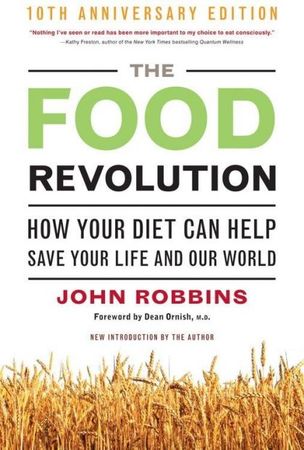
Discover a provocative exploration of how our dietary choices intersect with personal liberation, social consciousness, and the very nature of human existence. This work challenges readers to reconsider fundamental assumptions about nutrition, health, and what it means to live authentically in modern society.
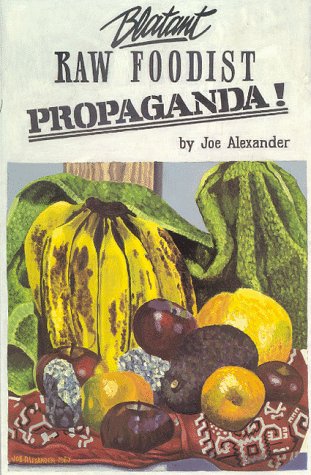
At its core, this publication presents a bold argument that our relationship with food production, preparation, and consumption reflects deeper truths about human nature and our place in the natural world. The work invites readers to examine whether contemporary cooking methods and food processing represent genuine progress or a departure from our biological design. Rather than presenting itself as dry nutritional science, the text adopts a provocative, almost confrontational tone that demands readers question their established routines and beliefs.
The central premise explores raw food consumption not merely as a dietary choice, but as a philosophical and political statement. For those interested in personal transformation and spiritual growth, this perspective offers fertile ground for reflection. The work suggests that what we consume directly impacts not only our physical health but our mental clarity, emotional stability, and capacity for conscious living. It positions nutrition as intimately connected to self-determination and personal agency in ways that mainstream society often overlooks.
Readers will encounter an examination of how industrialized food systems have shaped human consciousness and behavior. The text raises important questions about dependency, convenience, and the trade-offs we make when we outsource our food preparation to corporations and technological systems. From a social consciousness perspective, this work aligns with broader concerns about corporate control, environmental degradation, and the loss of self-sufficiency that characterizes modern life.
The work engages readers in considering their true nature as biological beings. What does it mean to live in alignment with our evolutionary heritage? How have artificial interventions in food preparation distanced us from our authentic selves? These questions resonate with readers seeking to understand themselves more deeply and to live with greater integrity and intentionality.
An important dimension of this exploration involves the democratization of health and wellness. Rather than trusting expert authorities, pharmaceutical companies, or complex technological systems to determine what constitutes wellness, the text encourages readers to trust their own bodies and experiences. This emphasis on personal knowledge and direct observation aligns with principles of self-empowerment and individual sovereignty that appeal to those questioning institutional authority.
The provocative title itself serves as an invitation to liberation. By suggesting readers abandon conventional cooking apparatus, the work symbolically invites them to release attachments to systems and habits that may no longer serve their highest good. This metaphorical call to action extends beyond mere dietary choice into the realm of personal revolution and conscious transformation.
For readers engaged with spiritual growth, this work offers the perspective that physical transformation and dietary change can catalyze deeper shifts in awareness and consciousness. Many spiritual traditions recognize the body as inseparable from spiritual development, and this exploration taps into that understanding in contemporary, accessible language.
The relevance of this examination extends to political and social dimensions as well. Questions about food autonomy, resistance to corporate control, and the right to make independent choices about one's own body connect to broader political consciousness. This work speaks to readers who view personal choices as inherently political and who seek alignment between their values and their daily practices.
Ultimately, this publication serves readers who are ready to question conventions, willing to challenge their assumptions, and committed to exploring their true nature. It appeals to those seeking transformation through radical honesty and bold reevaluation of life's fundamentals. Whether readers ultimately adopt raw food practices or not, engaging with this work promises expanded perspective and deeper self-knowledge through genuine, provocative inquiry.