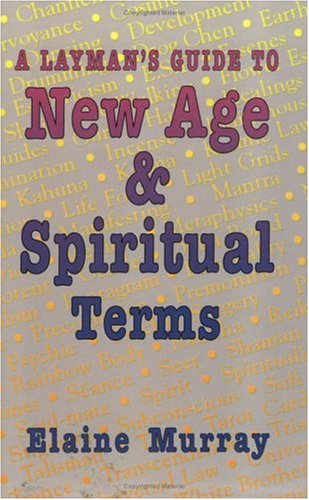
The spiritual landscape has transformed dramatically over the past few decades, bringing with it a rich vocabulary that can feel overwhelming to newcomers and even to those well-traveled on their personal growth journeys. Terms like chakras, kundalini, karma, and auras have become increasingly common in everyday conversation, yet many people encounter these words without truly understanding their meanings, origins, or practical applications. This comprehensive reference guide serves as a bridge between confusion and clarity, offering accessible explanations of the diverse terminology that shapes contemporary spiritual discourse.
When we embark on any transformational journey, language becomes our first tool. Without understanding the concepts we're exploring, we risk misapplying practices or developing incomplete understandings of profound spiritual principles. This guide recognizes that spiritual growth often requires us to expand not just our consciousness, but our ability to communicate about our experiences. Whether you're investigating meditation for the first time, exploring energy healing, or deepening your existing spiritual practice, having a solid grasp of fundamental terminology empowers you to navigate your path with greater confidence and authenticity.
The scope of this reference encompasses the breadth of New Age and spiritual traditions that have converged in modern consciousness. You'll discover clearly explained definitions for terms drawn from Eastern philosophies, Western mysticism, contemporary holistic health practices, and metaphysical traditions. The entries cover foundational concepts like what constitutes the human energy field, how chakras function within our subtle anatomy, and what practitioners mean when they discuss spiritual alignment or raising consciousness. Beyond simple definitions, each entry provides context about where these concepts originated and how they're understood within contemporary spiritual frameworks.
One of the most valuable aspects of this resource is how it demystifies concepts that often seem esoteric or inaccessible. Many spiritual seekers feel intimidated by terminology they encounter in classes, workshops, or spiritual texts, worrying that their lack of understanding indicates they're not progressing quickly enough on their path. This guide offers reassurance and practical education, allowing you to become fluent in the language of spirituality at your own pace. Understanding these terms deeply transforms how you engage with your spiritual practice, whether that involves meditation, energy work, yoga, prayer, or any other transformational modality.
The organization and accessibility of this reference make it ideal for multiple uses. You might read it sequentially to build a comprehensive foundation in spiritual concepts, or you might use it as a handy reference whenever you encounter an unfamiliar term in your studies. Perhaps you're reading a book on chakras and want to understand peripheral concepts, or you're beginning a meditation practice and want to understand the philosophical underpinnings. This guide accommodates all these approaches, providing both breadth and depth for varied learning styles and spiritual interests.
Beyond mere intellectual understanding, grasping spiritual terminology supports your actual practice and personal transformation. When you understand what practitioners mean by concepts like spiritual synchronicity, soul purpose, or divine timing, you're better equipped to recognize these phenomena in your own life. When you comprehend the difference between meditation and visualization, or between grounding and centering, you can practice these techniques more effectively. This knowledge transforms abstract concepts into practical tools for your journey.
This reference also helps bridge potential gaps between different spiritual traditions and approaches. Many contemporary spiritual seekers draw from multiple traditions, blending Buddhist practices with Hindu philosophy, Western psychology with Eastern medicine, and indigenous wisdom with modern metaphysics. Having clear, neutral explanations of terms from various traditions allows you to integrate these diverse approaches coherently rather than remaining confused about whether certain practices or concepts contradict one another.
For anyone genuinely committed to personal growth and spiritual development, this guide represents an investment in your own education and advancement. It removes barriers to understanding, builds confidence in spiritual discussions, and deepens your ability to engage meaningfully with the practices and philosophies you're exploring. Whether you're at the beginning of your spiritual journey or well-established in your practice, expanding your comprehension of spiritual language opens new dimensions of insight and possibility.