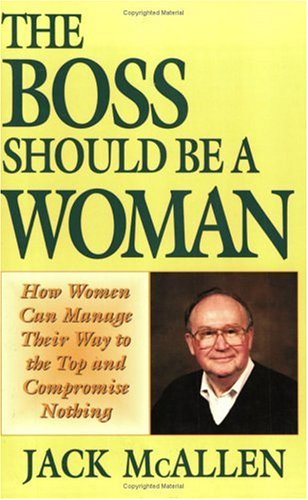
Discover a groundbreaking examination of how leadership styles, organizational structures, and human consciousness intersect in ways that fundamentally reshape our understanding of effective management. This thoughtful exploration challenges conventional wisdom about power, authority, and decision-making in the workplace, offering readers a fresh lens through which to view the future of business and human relations.
The premise at the heart of this work rests on a simple yet profound observation: the qualities traditionally associated with feminine leadership—collaboration, intuition, emotional intelligence, and long-term thinking—represent not a departure from effective management but rather a return to what truly works in creating healthy, productive organizations. Through careful analysis and compelling examples, the exploration demonstrates how organizations guided by principles and values more commonly expressed through women's leadership styles produce superior results in employee satisfaction, innovation, retention, and overall profitability.
What makes this examination particularly valuable for readers on a personal growth journey is its recognition that this isn't merely about adding women to leadership positions. Rather, it's about integrating and elevating the leadership qualities associated with feminine consciousness within all organizational structures and individual leaders, regardless of gender. This represents a fundamental shift in how we understand power, authority, and human potential in professional settings.
Readers will discover extensive analysis of how hierarchical, command-and-control models of organization—the traditional masculine paradigm of business leadership—ultimately underutilize human talent and creativity. The work presents compelling evidence that organizations functioning through collaboration, consensus-building, and inclusive decision-making processes outperform their hierarchical counterparts. This insight carries profound implications for anyone seeking to develop themselves as a leader or to contribute more meaningfully within their workplace community.
The exploration delves deeply into the psychological and cultural conditioning that has created our current corporate structures. It examines how historical power dynamics, gender stereotypes, and unexamined assumptions about authority have shaped business environments that often prove counterproductive to genuine human flourishing. By bringing these patterns into conscious awareness, readers gain the ability to recognize them in their own professional lives and make deliberate choices about how they want to work and lead.
One of the most empowering aspects of this work is its message about personal agency. Rather than positioning readers as victims of broken systems, it invites them to become agents of transformation. It demonstrates how individuals at any level within an organization can begin implementing leadership principles that foster greater collaboration, authenticity, and mutual respect. This practical orientation makes the insights immediately applicable to daily professional life.
The book also addresses the spiritual dimensions of this shift in consciousness. It recognizes that our workplaces reflect our collective values and assumptions about what matters. By advocating for organizational structures that honor intuition, emotional connection, and holistic thinking alongside analytical capabilities, it points toward a more integrated, conscious way of being in professional life. This resonates deeply with readers seeking alignment between their inner values and outer actions.
For women specifically, this exploration offers validation and encouragement. It affirms that the qualities many women have been taught to minimize or hide—emotional sensitivity, collaborative instincts, relational awareness—are actually strengths in the modern workplace. For men, it opens possibilities for embracing leadership qualities they may have been conditioned to suppress.
Perhaps most importantly, this work speaks to a fundamental human need: the desire to work in environments where we can bring our whole selves, where our talents are genuinely valued, and where success is measured not just in financial metrics but in human well-being and fulfillment. It suggests that creating such environments isn't naĂŻve idealism but rather enlightened practicality. By understanding and implementing leadership principles that honor both human connection and business effectiveness, we move toward workplaces that nurture the best in ourselves and others. This transformative vision makes the work essential reading for anyone committed to personal empowerment and meaningful social change.