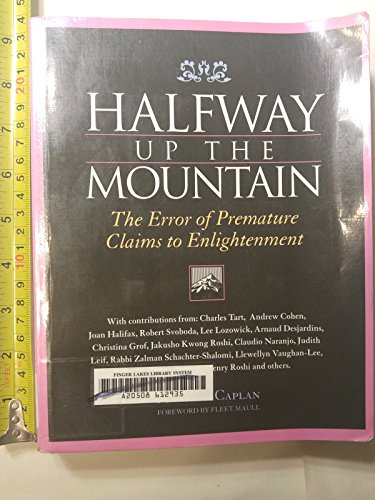

# Navigating the Spiritual Path: Understanding Authentic Growth and Common Pitfalls
The spiritual journey is one of humanity's most profound undertakings, yet it remains one of the most misunderstood. Many seekers embark on this path with genuine aspiration, only to find themselves confused, disillusioned, or stuck at critical junctures. This comprehensive exploration addresses the essential question that countless spiritual aspirants face: What does authentic spiritual development actually look like, and how do we distinguish genuine progress from the numerous traps and illusions that can derail our journey?
The spiritual marketplace has expanded exponentially in recent decades. With thousands of teachers, systems, and methodologies available, practitioners often find themselves swimming in a sea of possibilities without clear navigation tools. Are we progressing? Are we deceiving ourselves? How do we know if our teacher is trustworthy? What distinguishes legitimate spiritual experience from ego inflation masquerading as enlightenment? These questions deserve serious, honest answers, and this examination provides them.
One of the most crucial insights offered here is the recognition of developmental stages within spiritual practice. Not all experiences represent the same level of attainment, yet the spiritual marketplace often conflates superficial experiences with genuine transformation. The reader will discover how certain experiences that feel profound and meaningful might actually indicate earlier stages of development rather than advanced realization. Understanding this distinction is revolutionary for practitioners who have felt confused about their own progress or who have encountered teachers claiming advanced attainment who show troubling personality characteristics.
The work delves deeply into what might be called "the halfway point" of spiritual development—that deceptive terrain where practitioners have experienced enough genuine insight and opening to be convinced of their own advanced development, yet lack the humility, discernment, and continued practice necessary for authentic maturation. This halfway point represents a dangerous threshold where the ego can hijack spiritual experience and use it for self-aggrandizement rather than genuine service and transformation. Recognizing the signs and symptoms of this condition becomes essential protection for sincere seekers.
Throughout these pages, readers encounter detailed examinations of common spiritual pitfalls and their psychological underpinnings. How does spiritual practice sometimes lead to narcissism? What makes charismatic teachers vulnerable to abuse of power? How can genuine experiences of transcendence become twisted into justifications for unethical behavior? These questions are explored with remarkable candor and psychological sophistication. The reader gains understanding of how even the most well-intentioned practitioners can become derailed through subtle psychological mechanisms that operate beneath conscious awareness.
Another significant contribution is the exploration of what mature spiritual development actually requires. It is not merely a matter of accumulating experiences, achieving states of consciousness, or collecting teachings from multiple teachers. Real spiritual maturation involves the unglamorous work of character development, ethical integrity, sustained discipline, and the willingness to be continuously humbled by the depths of one's own unconsciousness. This realization often comes as a shock to practitioners raised on narratives of sudden enlightenment or effortless transformation.
The work also addresses the relationship between psychology and spirituality with unusual clarity. Rather than viewing psychological work as somehow inferior to or separate from spiritual development, it presents them as deeply intertwined. Unresolved psychological issues do not disappear through spiritual experience; they become obstacles to genuine realization. Conversely, authentic spiritual practice addresses psychological material in ways that therapy alone cannot.
For readers seeking to establish reliable criteria for authentic spiritual teachers and communities, this exploration provides invaluable frameworks for discernment. What are the hallmarks of genuine wisdom? How do authentic teachers differ from charlatans? What organizational and relational patterns indicate healthy spiritual communities versus those prone to abuse and exploitation?
This comprehensive examination serves practitioners at all stages, from beginners establishing their initial relationship with spiritual practice to advanced students questioning their teachers and seeking deeper understanding. It offers the gift of honest reflection in a field often clouded by wishful thinking and uncritical admiration. For those genuinely committed to authentic transformation, this rigorous exploration becomes an essential companion on the path forward.