Fear is the invisible force that shapes our lives far more than most of us care to acknowledge. It dictates our choices, limits our potential, constructs our identities, and creates the invisible boundaries within which we live. Yet what if everything we believe about fear is fundamentally inverted? What if the path to genuine freedom and authentic living requires not the conquest of fear, but rather a complete transformation in how we understand it?
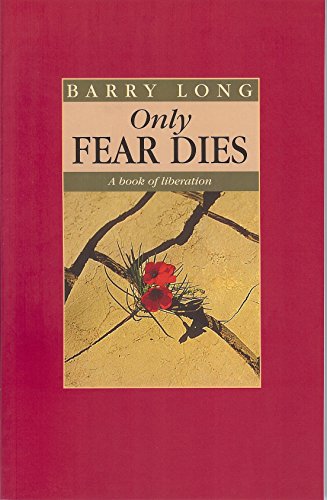
This exploration delves into one of life's most profound paradoxes: the realization that only fear dies, not the essence of who we truly are. It invites readers into a revolutionary understanding of consciousness, mortality, and what it truly means to be alive. Rather than offering another self-help system filled with techniques and affirmations, it presents a direct confrontation with the core beliefs that keep us imprisoned within limited versions of ourselves.
The fundamental insight presented challenges the Western psychological approach to fear management. Most personal development work suggests we must overcome fear through exposure, reframing, or coping mechanisms. But this perspective operates from a flawed premise: that fear is something real we must battle. What emerges instead is the recognition that fear is fundamentally an illusion born from our identification with the body and the ego's insistence on survival and control. When this identification loosens, fear naturally dissolves not because we have conquered it, but because we have seen through it.
Readers will discover how the fear of death underlies every other fear we experience. The terror of physical mortality permeates our psychological landscape, influencing everything from our relationships to our work to our spiritual pursuits. Yet deeper investigation reveals something extraordinary: the actual dying we fear is only the death of the false self, the constructed identity that was never truly real. The authentic consciousness that observes all experience does not die. It simply continues, unbound by the personality's cessation.
This work explores how our constant struggle against mortality and impermanence creates the existential anxiety that characterizes modern life. We accumulate possessions, achievements, and relationships as if they could somehow secure us against the inevitable. We construct elaborate psychological defenses and belief systems to deny the reality of change and loss. But this resistance creates suffering. True peace emerges only when we stop struggling against the nature of existence itself and instead align with what is actually true.
The text guides readers toward direct experience rather than intellectual understanding. While concepts are presented, the real transformation comes through genuine inquiry into one's own consciousness and conditioned patterns. Readers learn to observe how fear operates in their moment-to-moment experience, how it disguises itself in respectable forms like responsibility and ambition, and how it ultimately prevents the full expression of authentic life.
What makes this exploration particularly relevant for contemporary seekers is its refusal to separate spirituality from daily living. The insights apply directly to relationships, work, creativity, and social engagement. By releasing the grip of fear, readers discover access to genuine compassion, authentic power, and the ability to live with integrity. The fear-based self is constantly calculating, defending, and maneuvering. When this anxious vigilance falls away, life becomes possible in a way that fear-driven individuals have rarely experienced.
This perspective ultimately offers liberation not as a distant goal to achieve, but as the simple recognition of what has always been true. The self that genuinely matters cannot be threatened by circumstance or time. Understanding this shifts everything about how one approaches life, relationships, and one's deepest purpose. This is work for anyone ready to question their most fundamental assumptions about existence and ready to discover what lies beyond the prison of fear.