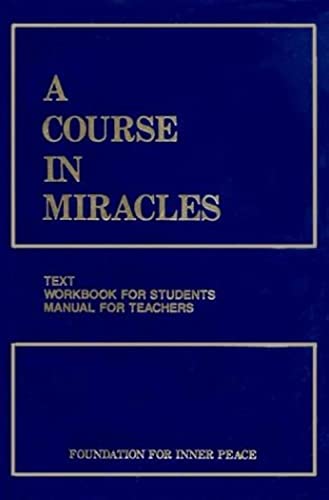



Discover a comprehensive spiritual curriculum designed to fundamentally shift your perception of reality and awaken you to your true nature. This profound work presents a practical pathway to releasing fear, transcending ego, and experiencing the peace that comes from understanding your essential oneness with all existence.
At its core, this material invites you to question everything you believe about yourself, the world, and your relationships. Rather than offering quick fixes or superficial solutions, it provides a deep theological and psychological framework for understanding why suffering exists and, more importantly, how to transcend it completely. The work operates on a revolutionary premise: that the world you perceive through your senses is not reality as it truly is, but rather a projection of your thoughts and beliefs. By changing your mind about what is real, you fundamentally change your experience of life.
The curriculum unfolds through three distinct sections that build upon one another to create a complete system of thought. The text section establishes the theoretical foundation, presenting core concepts about the nature of God, consciousness, and separation. It explores how the belief in separation from your source created a fragmented world of conflict and suffering, and demonstrates how this separation is ultimately impossible at a fundamental level. Understanding these principles is essential for grasping why the practices work and how shifting your perception can liberate you from deeply ingrained patterns of fear and suffering.
The workbook section brings these principles to life through daily lessons spanning one full year. Each lesson provides a specific thought to focus on, coupled with simple but powerful exercises designed to retrain your mind. These exercises are not intellectual exercises meant to create beliefs through force of will. Instead, they gently guide your awareness toward experiences of peace and unity that already exist within you. Many practitioners report that these daily practices become transformative anchors in their lives, creating moments of genuine breakthrough and insight that ripple outward into all their relationships and circumstances.
The manual section addresses common questions and provides guidance for teachers and facilitators who wish to support others on this path. It recognizes that spiritual transformation is not a solitary journey and that we learn through our relationships and connections with others. This section illuminates how the principles apply in practical contexts and how you might embody these teachings in your daily interactions and service to others.
What makes this material distinctly transformative is its emphasis on forgiveness as the cornerstone of healing. However, the forgiveness taught here differs radically from conventional understanding. It is not about condoning harmful behavior or pretending that something hurtful did not occur. Rather, it is about recognizing that whatever grievance you hold reflects a misperception about the true nature of another person and yourself. Through forgiveness, you release the story you have been telling about injury and betrayal, freeing yourself from the chains of victimhood and resentment.
Readers consistently report that engaging with this material produces profound shifts in their relationships, their sense of purpose, and their fundamental sense of security. Many describe experiencing moments of clarity where old resentments suddenly dissolve, not through effort or willpower, but through a genuine perception shift. Others find that their anxiety and depression lift naturally as they begin to see their circumstances through the lens provided by these teachings.
This work matters because it addresses the root cause of human suffering: the belief in separation and the resulting fear that follows from perceived isolation. Whether you struggle with relationship difficulties, professional challenges, health concerns, or a vague sense of meaninglessness, this material traces all of these struggles back to fundamental perceptual errors that can be corrected. By offering both the theory and the practical means to make these corrections, it empowers you to become the architect of your own peace rather than remaining a victim of circumstance.