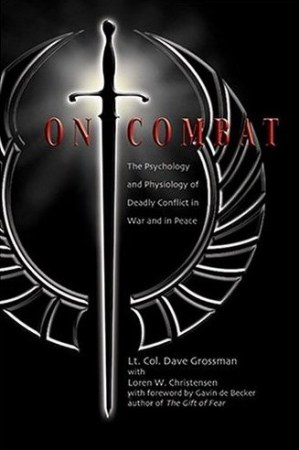


When faced with extreme danger or life-threatening situations, the human body and mind undergo profound transformations. Understanding these transformations—how fear affects decision-making, how stress hormones reshape physical capability, and how training can prepare us for crisis moments—offers powerful insights that extend far beyond combat scenarios. This exploration into the intersection of psychology, neuroscience, and human performance reveals universal principles about resilience, courage, and our capacity to function effectively under pressure.
The human stress response is far more complex than many realize. When threatened, our bodies don't simply become stronger or faster. Instead, a cascade of neurological and physiological changes occurs that fundamentally alters perception, cognition, and physical capability. Blood vessels constrict, tunnel vision narrows our visual field, hearing becomes distorted, fine motor skills deteriorate, and our ability to think logically diminishes. These aren't weaknesses but survival mechanisms honed over millions of years of evolution. Recognizing and understanding these changes is the first step toward managing them effectively.
One of the most valuable insights for anyone seeking personal empowerment is understanding the concept of the "survival stress response." Unlike the popular notion that we become superhuman under pressure, the reality is more nuanced. While gross motor skills and cardiovascular endurance may increase through the release of adrenaline and cortisol, our higher brain functions become compromised. This has profound implications for how we prepare for challenging situations, whether they involve physical danger or emotional crises like public speaking, important negotiations, or confronting personal fears.
The physiological changes that occur during extreme stress represent an ancient survival mechanism called the fight-flight-freeze response. Under acute stress, blood is diverted from the prefrontal cortex—the part of the brain responsible for complex reasoning, impulse control, and decision-making—toward the limbic system and large muscles needed for immediate action. This means that in genuinely threatening situations, our intellectual capacity is temporarily diminished. Understanding this reality helps us prepare differently than we might intuitively expect. Rather than relying on complex tactical knowledge during crises, our preparation should emphasize automatic responses developed through extensive training and repetition.
This principle extends far beyond combat situations. Anyone facing high-pressure situations benefits from understanding that stress will degrade cognitive function and that the solution lies not in memorizing complex procedures but in developing automatic, habitual responses through deliberate practice. Athletes, performers, emergency responders, and anyone facing regular stress can apply these principles to enhance their performance when it matters most.
The relationship between training and performance under stress constitutes another crucial dimension of human capability. Repetitive training creates neural pathways that can function even when the higher brain is compromised by stress. This explains why muscle memory is so powerful—the cerebellum and motor cortex can execute learned movements without conscious oversight from the prefrontal cortex. For personal empowerment, this suggests that meaningful preparation for life's challenges should involve not just intellectual understanding but embodied practice that becomes automatic.
The concept of "combat breathing" and other stress management techniques offers practical tools applicable to any high-pressure situation. These simple physiological interventions can help regulate the nervous system and maintain greater cognitive function during stress. Learning to control breathing, understanding how to maintain focus, and developing resilience against psychological shock provide concrete methods for managing the stress response.
Additionally, the exploration of moral and ethical dimensions of using force in defense—the psychological weight of taking action against others—touches on deeper questions about conscience, responsibility, and the human capacity for both violence and compassion. These existential considerations enrich our understanding of human nature and our own values.
This comprehensive examination of human performance under extreme stress offers readers practical knowledge, psychological insight, and a foundation for building genuine resilience and capability in facing life's challenges with greater clarity and confidence.