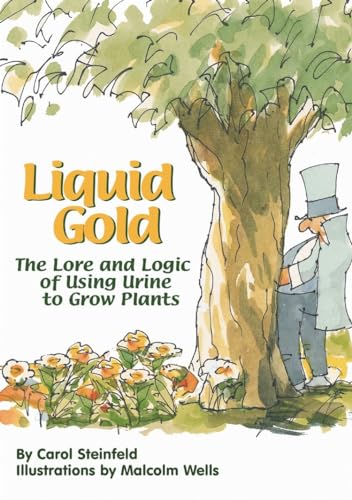
Discover how one of humanity's most overlooked resources holds the key to transforming both personal consciousness and planetary health. This groundbreaking exploration invites readers into an unconventional but profoundly important conversation about human waste and its potential to nourish rather than contaminate our world.
For centuries, industrial societies have treated human excrement as a problem to be hidden away, flushed from sight, and forgotten. Yet this book challenges that fundamental assumption, presenting compelling evidence that what we've labeled waste is actually a valuable resource with tremendous potential for good. Through careful research, practical examples, and genuine case studies, readers discover how communities around the world are reclaiming this overlooked treasure and transforming it into something that benefits both people and planet.
The core insight at the heart of this exploration is both simple and revolutionary: human waste contains essential nutrients—nitrogen, phosphorus, and potassium—that have sustained agriculture for millennia. These very elements are the foundation of soil fertility, the basis of food production, and therefore the foundation of all terrestrial life. When we send these nutrients to treatment plants or landfills, we break the natural cycle that once kept ecosystems balanced. When we reclaim and properly manage them, we close the loop and participate in genuine sustainability.
What makes this work particularly valuable for readers on a personal growth journey is how it reframes our relationship with our own bodies and their natural processes. Many people carry deep shame and disconnection around bodily functions, viewing them as dirty or embarrassing. This exploration gently invites a shift in perspective—seeing our biological processes not as shameful but as part of nature's elegant design. By understanding the nutritional value in what our bodies produce, we cultivate greater respect for our physical selves and our place within natural systems. This shift in consciousness can be deeply liberating for those seeking to live more authentically and in greater harmony with nature.
The practical applications presented throughout these pages are both inspiring and accessible. Readers learn about composting toilets—systems that transform human waste into rich, odorless compost suitable for gardens and landscapes. They discover how decentralized sanitation systems can function effectively in both rural and urban settings, requiring far less water and energy than conventional sewage systems. They explore how these systems are already improving lives in developing countries while also offering sustainable alternatives for wealthy nations.
Beyond the mechanics of waste management, this journey addresses the deeper questions that matter most to conscious individuals: How can we live in greater alignment with natural processes? How can personal choices ripple outward to create positive change? How can we participate in genuine sustainability rather than merely consuming green products? These questions resonate through every page, inviting readers to examine not just toilets and composting systems, but their entire relationship with consumption, waste, and their place in natural cycles.
The environmental implications are staggering. Conventional sewage systems consume enormous amounts of water and energy while polluting waterways with excess nutrients that create dead zones in aquatic ecosystems. By contrast, closed-loop systems that safely manage human waste locally create opportunities for water conservation, reduced pollution, and genuine regeneration of soil and landscape. For readers concerned about climate change, water scarcity, and ecological collapse, understanding these alternatives offers both hope and concrete pathways for positive action.
Perhaps most importantly, this exploration demonstrates how personal empowerment and planetary healing are inseparable. When individuals understand the true nature of waste, challenge cultural taboos around bodily functions, and implement practical alternatives in their own homes and communities, they reclaim agency over their relationship with the Earth. This is not abstract environmentalism but tangible, daily participation in healing and regeneration. It's an invitation to see yourself not as a problem but as a potential participant in solutions, not as separate from nature but as an integral part of its cycles and wisdom.