
Happiness & Success
Achieving Happiness Through Acceptance of Life
The quest for happiness often leads to frustration, as many fail to realize that the...








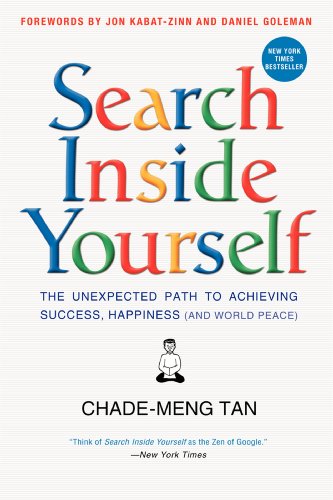
Imagine having access to a practical, scientifically grounded program that promises to enhance emotional intelligence while simultaneously reducing stress, improving focus, and cultivating genuine happiness. This groundbreaking work emerged from one of the world's most innovative corporations, where an engineer developed an internal course that became wildly popular among employees seeking greater fulfillment both professionally and personally. What makes this approach revolutionary is its fusion of ancient contemplative practices with cutting-edge neuroscience, creating a secular mindfulness program that anyone can implement regardless of background or belief system.
At the heart of this transformative guide lies a simple yet profound premise: by training attention and developing self-awareness, individuals can fundamentally reshape their emotional landscape and interpersonal relationships. The methodology rests on three pillars that work synergistically to develop emotional intelligence: attention training, self-knowledge and self-mastery, and the creation of useful mental habits. These aren't abstract concepts but concrete practices backed by contemporary brain research demonstrating neuroplasticity—our brain's remarkable ability to rewire itself through consistent practice.
Readers discover that attention training serves as the foundation for all other development. Through accessible meditation exercises, the practice begins with something as simple as mindful breathing, progressively building the capacity to observe thoughts and emotions without being swept away by them. This isn't about achieving some mystical state; rather, it's about developing the mental fitness to pause between stimulus and response, creating space for wiser choices in daily life.
Read more ▼
Cheryl Pallant

Paul Ham
Shakti Gawain

Vincent Cole
The quest for happiness often leads to frustration, as many fail to realize that the...

Reaching sixty can evoke complex emotions, blending relief with ongoing ambition. This...

The quest for life's purpose often leads to unsatisfactory answers. This article...

Romantic love is a complex emotion shaped by historical, cultural, and biological...

Imagine going through one of the most physically and emotionally demanding experiences...

Daily actions often conflict with personal beliefs due to past experiences. By utilizing...

Have you ever argued over something that wasn't actually said? From cultural differences...

Therapists often use dream interpretation to delve into patients' emotions, but true...