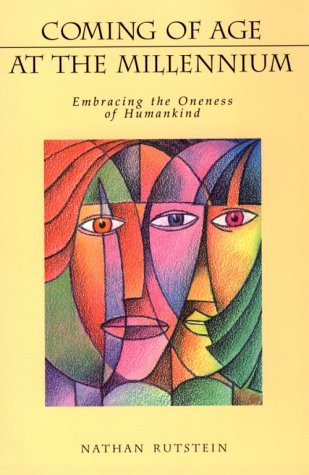
As we stand at the threshold of a new era, millions of young people face unprecedented challenges and opportunities. Coming of age in the final years of the twentieth century presents a unique set of circumstances that demands deeper understanding and reflection. This exploration delves into the lives of adolescents navigating a world of rapid technological change, shifting values, and uncertain futures, offering profound insights into what it means to mature during a pivotal moment in human history.
The fundamental question driving this work is deceptively simple yet profoundly complex: How do young people develop a sense of purpose and meaning when the world around them seems chaotic and fragmented? Throughout these pages, readers discover that the journey toward adulthood at the millennium is less about finding predetermined answers and more about learning to ask better questions. The examination reveals how adolescents are grappling with identity formation, spiritual awakening, and the search for authentic values in an age of mass media manipulation and consumer culture.
One of the most valuable aspects of this work is its attention to the internal landscape of young people seeking to understand themselves. Rather than offering prescriptive solutions, the narrative invites readers to explore the psychological and spiritual dimensions of adolescent development. This approach recognizes that personal empowerment emerges not from external authority figures dictating what young people should become, but from within, as individuals learn to trust their own inner wisdom and intuition. The exploration demonstrates how self-awareness becomes the foundation for all meaningful growth and transformation.
The work addresses the critical need for young people to develop a cohesive worldview that integrates their various roles and relationships. Many adolescents find themselves fragmented across different contexts—family, school, peer groups, and community—without a unifying framework that helps them understand how these pieces fit together. Through careful examination of real-world experiences and developmental processes, readers gain insight into how a more integrated sense of self emerges. This integration is essential for genuine personal empowerment, as it allows young people to act from a place of authentic conviction rather than competing external pressures.
Spirituality emerges as a central theme throughout this exploration, though not in a dogmatic or institutionally restrictive sense. Rather, the work examines how young people are seeking deeper connection to something greater than themselves—whether through nature, community service, artistic expression, or philosophical inquiry. Readers will discover how this spiritual dimension of development is often overlooked in conventional approaches to adolescent psychology and education, yet it represents a vital component of coming of age with integrity and purpose. Understanding this spiritual hunger offers crucial insight into what many young people truly need for healthy development.
The examination also highlights the importance of mentorship, community, and supportive relationships in fostering genuine maturation. Rather than viewing adolescence as a period of inevitable rebellion and alienation, this work suggests that young people thrive when they have access to caring adults who genuinely listen and respect their emerging perspectives. The narrative demonstrates how environments that honor young people's capacity for wisdom and contribution create the conditions for authentic empowerment. This insight has profound implications for parents, educators, and anyone involved in supporting adolescent development.
As readers engage with this material, they will recognize that the challenges facing young people at the millennium are not entirely unique to their generation, yet the specific context in which they navigate growth—technological acceleration, cultural pluralism, environmental awareness, and spiritual searching—creates distinctive opportunities for transformation. The work ultimately serves as an invitation for both young people and adults to engage more consciously and purposefully with the process of growing up, recognizing that how we support adolescent development has far-reaching implications for the kind of world we collectively create. This exploration provides valuable perspective for anyone committed to understanding human potential and fostering genuine personal growth.