
Happiness & Success
Achieving Happiness Through Acceptance of Life
The quest for happiness often leads to frustration, as many fail to realize that the...









Bees have long captivated human imagination, but their significance extends far beyond the honey they produce or the flowers they pollinate. Within their intricate societies lies a profound mirror for understanding our own lives, communities, and the delicate balance we must maintain with the natural world. This remarkable exploration invites readers into the hidden world of these industrious creatures, revealing lessons that resonate deeply with anyone seeking to live more consciously and purposefully.
Through the lens of beekeeping, a transformative journey unfolds that connects ancient wisdom with contemporary challenges. The practice of tending hives becomes a meditation on patience, observation, and the art of gentle intervention. Rather than dominating nature, beekeepers learn to work in harmony with forces far older and wiser than themselves. This fundamental shift in perspective offers powerful insights for anyone struggling with control issues, anxiety about the future, or disconnection from the natural rhythms that once governed human life.
The intricate social structure of a bee colony provides compelling lessons in cooperation, communication, and collective purpose. Within each hive, thousands of individuals work toward common goals without the need for hierarchical management or coercive authority. The hive mind demonstrates that true productivity emerges from synchronized effort, clear communication through the famous waggle dance, and an unwavering commitment to the community's wellbeing. These principles translate powerfully into human contexts, offering fresh perspectives on leadership, teamwork, and the creation of thriving communities.
Read more ▼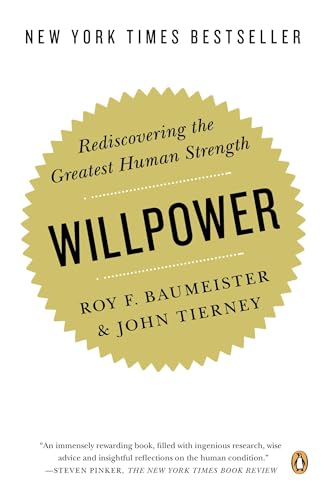
Roy F. Baumeister, John Tierney
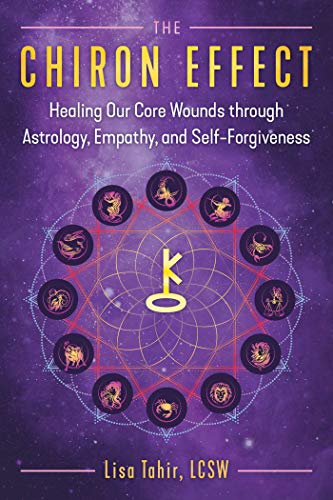
Lisa Tahir

Dr. Jen Gunter

Marc Bonnard, Marc, M.D. Bonnard
The quest for happiness often leads to frustration, as many fail to realize that the...

Reaching sixty can evoke complex emotions, blending relief with ongoing ambition. This...

The quest for life's purpose often leads to unsatisfactory answers. This article...

Imagine going through one of the most physically and emotionally demanding experiences...

Romantic love is a complex emotion shaped by historical, cultural, and biological...

Daily actions often conflict with personal beliefs due to past experiences. By utilizing...

Have you ever argued over something that wasn't actually said? From cultural differences...

Therapists often use dream interpretation to delve into patients' emotions, but true...