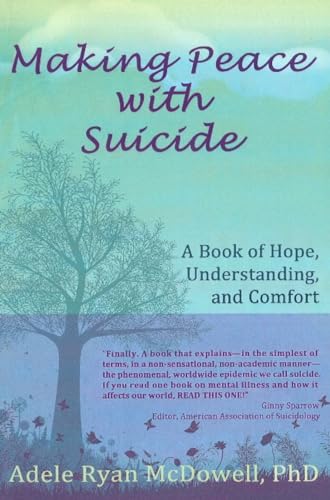

When tragedy strikes through suicide, those left behind face a unique and profound grief that challenges every aspect of their being. This transformative work addresses one of life's most difficult experiences, offering readers a pathway through the darkness of loss toward genuine healing and spiritual understanding.
The loss of someone to suicide creates a particular kind of pain. Unlike other forms of death, suicide often leaves survivors wrestling not only with grief but also with complex emotions including guilt, shame, anger, and unanswerable questions. Why? Could I have prevented this? What could I have done differently? These questions haunt the minds of those left behind, creating a secondary layer of suffering that demands attention and compassionate understanding. This exploration provides essential guidance for anyone navigating this anguished terrain.
At its heart, this work invites readers to fundamentally reframe their relationship with suicide and loss. Rather than viewing suicide as a personal failure or a reason for endless self-recrimination, the material presented here encourages a broader perspective that honors both the complexity of human suffering and the spiritual dimensions of life and death. This shift in perspective, while challenging, can be profoundly liberating for those trapped in cycles of blame and despair.
One of the most valuable aspects of this journey is its recognition that making peace with suicide is not about forgetting or minimizing the loss. Instead, it's about developing a mature, compassionate understanding that can coexist with grief. Readers will discover how to honor the memory of their loved one while simultaneously releasing the crushing weight of responsibility that survivors often carry. This balance is crucial for healing and for reclaiming one's own life and purpose.
The material explores the spiritual dimensions of suicide in ways that transcend conventional religious dogma. Rather than reinforcing judgmental attitudes that many traditions have historically held about suicide, this work invites readers to consider deeper questions about consciousness, choice, suffering, and the mysterious workings of the human spirit. For those seeking a spiritually informed perspective that doesn't condemn but rather seeks understanding, this represents a welcome departure from shame-based narratives.
Throughout this exploration, readers will encounter practical wisdom alongside spiritual insight. The approach is neither purely psychological nor exclusively spiritual, but rather an integration of both perspectives. This holistic approach acknowledges that healing from suicide loss requires addressing our minds, hearts, and souls simultaneously. The material provides concrete tools and frameworks that readers can apply to their own grieving process, making abstract concepts tangible and actionable.
A particularly important element is the recognition of what spiritual traditions often call "soul contracts" or the deeper purposes that may underlie human suffering and loss. While this concept might seem abstract or difficult to accept initially, many readers find that contemplating such deeper meanings can help them move beyond the surface-level "why" questions that lead nowhere. Instead, it opens possibilities for understanding the profound lessons and spiritual growth that can emerge from even the darkest experiences.
This work also addresses the often-neglected reality that survivors' own spiritual growth and transformation can emerge from their willingness to process this loss consciously and deeply. Many who have walked this path report that engaging authentically with their grief has led to unexpected spiritual awakening, deeper compassion for human suffering, and a more profound appreciation for life itself. These silver linings are not presented as replacements for the loss but as genuine gifts that can emerge when we remain open to growth during our darkest seasons.
For anyone who has experienced suicide loss, this transformative exploration offers permission to stop suffering needlessly while honoring the reality of your grief. It provides a roadmap for moving from despair toward peace, from isolation toward connection, and from spiritual confusion toward clarity. In doing so, it opens the possibility of not just surviving suicide loss, but ultimately finding meaning, purpose, and even grace within the experience.