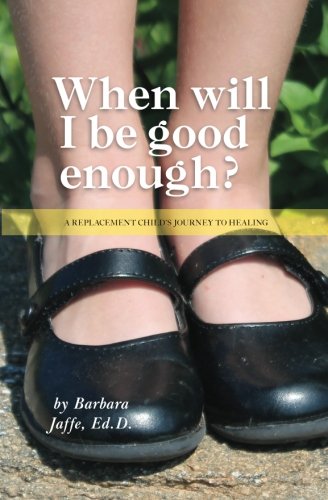
Do you find yourself constantly questioning your worth? Are you stuck in an endless cycle of self-criticism, always believing that you haven't done enough, achieved enough, or become enough? If so, you're far from alone. Millions of people worldwide wrestle with a deep-seated sense of inadequacy that colors every decision, relationship, and accomplishment. This work offers a transformative pathway out of that painful mindset.
The question "When will I be good enough?" resonates across all demographics and life stages. Young professionals second-guess their career choices. Parents agonize over their parenting decisions. Accomplished individuals dismiss their achievements as lucky breaks or flukes. Artists and creators fear their work isn't worthy of sharing. This pervasive self-doubt operates quietly in the background of our lives, sapping our energy, limiting our potential, and preventing us from experiencing genuine joy and fulfillment.
What makes this exploration particularly valuable is its grounded, practical approach to addressing a deeply psychological and spiritual problem. Rather than offering simplistic affirmations or dismissing your concerns as mere negative thinking, this work acknowledges the real roots of perfectionism and inadequacy while providing substantive tools for transformation.
Through careful examination, you'll discover how early experiences, family dynamics, cultural messages, and internalized expectations have shaped your current relationship with self-worth. Many readers find profound relief in simply understanding where their self-doubt originates. When you recognize that your inner critic was formed through specific circumstances rather than reflecting ultimate truth about you, its power begins to diminish.
The work guides you toward recognizing the difference between healthy striving and self-defeating perfectionism. Growth, achievement, and continuous improvement are valuable. However, when your sense of personal worth depends entirely on perfect performance and external validation, you've created an impossible standard. No amount of accomplishment ever feels sufficient because the goalposts continually move. Understanding this distinction allows you to pursue meaningful goals without sacrificing your fundamental self-acceptance.
A crucial insight you'll encounter involves examining who defined "good enough" in the first place. Family members, teachers, peers, media, and society all contributed messages about what you should be. Yet many of these standards may not actually reflect your authentic values or the life you genuinely want to create. This exploration empowers you to consciously choose which standards serve your growth and which ones create suffering.
The spiritual dimension of this work is equally important. Many traditions teach that your essential worth is inherent and unchanging, independent of achievements or performance. Yet living from that conviction when your psychological conditioning says otherwise represents genuine spiritual practice. This exploration bridges the gap between intellectual understanding and embodied experience.
Readers consistently report that engaging with this material shifts how they approach daily life. You begin noticing moments when perfectionism arises and can pause to question whether it serves you. You start celebrating efforts and growth rather than only acknowledging flawless outcomes. You gradually internalize the understanding that mistakes and struggles are universal human experiences, not evidence of your inadequacy.
The practical applications extend into every relationship. When you release the burden of needing to be perfect or prove your worth, your connections with others naturally deepen. You can be authentic rather than carefully crafted. You can ask for help without shame. You can admit mistakes without devastating consequences to your self-image.
This exploration matters because it addresses the root cause of much suffering. Many people chase external success hoping it will finally answer the question of their adequacy. Instead, this work invites you to examine and ultimately transform the question itself. True personal empowerment begins when you recognize that you were always good enough, even before any achievements, and that recognition can free you to create the life you truly desire.