
Happiness & Success
Achieving Happiness Through Acceptance of Life
The quest for happiness often leads to frustration, as many fail to realize that the...








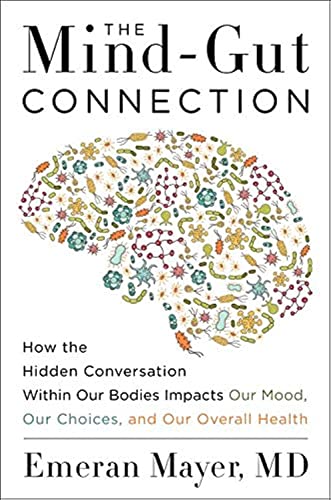
For decades, we've understood the brain as the command center of our body, sending signals downward to control our organs and systems. What if this understanding has been incomplete? What if there's been an ongoing dialogue between our gut and our brain that profoundly influences not just our digestion, but our emotions, decisions, mental health, and overall wellbeing?
Modern science is revealing an astonishing truth: the hundred million neurons lining our digestive system, the trillions of microorganisms living in our gut, and our brain are in constant communication, forming what can only be described as our "second brain." This intricate relationship between our belly and our mind shapes everything from our food cravings and stress responses to our susceptibility to anxiety, depression, and chronic diseases.
Drawing on cutting-edge research in neuroscience, psychology, and gastroenterology, readers will discover how the gut microbiome—that vast ecosystem of bacteria, fungi, and other microorganisms residing in our intestines—acts as a sophisticated chemical factory. These microscopic inhabitants produce neurotransmitters, including serotonin and dopamine, the same mood-regulating chemicals our brain uses. In fact, approximately ninety percent of the body's serotonin is produced in the gut, fundamentally challenging our assumptions about where our feelings originate.
Read more ▼
Sue Spitler, Linda R. Yoakam

The Toaster Oven Cookbook (Nitty Gritty Cookbooks)
David Diresta, Joanne Foran
John Robbins

The Hunter/Farmer diet solution
Mark Liponis
The quest for happiness often leads to frustration, as many fail to realize that the...

Reaching sixty can evoke complex emotions, blending relief with ongoing ambition. This...

The quest for life's purpose often leads to unsatisfactory answers. This article...

Romantic love is a complex emotion shaped by historical, cultural, and biological...

Imagine going through one of the most physically and emotionally demanding experiences...

Have you ever argued over something that wasn't actually said? From cultural differences...

Daily actions often conflict with personal beliefs due to past experiences. By utilizing...

Therapists often use dream interpretation to delve into patients' emotions, but true...