

At the intersection of personal conviction and professional responsibility lies one of the most challenging territories of human experience: the space where intimate relationships collide with moral obligation, where love encounters the law, and where caring deeply for others can become complicated by questions of authority and autonomy.
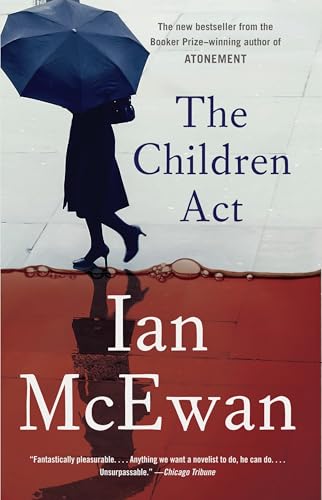
This novel examines the life of a distinguished family court judge navigating the treacherous waters of a disintegrating marriage while simultaneously presiding over cases that test the very boundaries of parental love and judicial power. Through the lens of her professional world, readers encounter cases that force profound questions about what it truly means to care for another person, when protection becomes control, and how our relationships with those closest to us inform how we show up in the world.
The narrative weaves together multiple threads of human connection: the failing marriage between two intellectually matched partners who have grown distant; the judge's encounters with troubled families seeking her wisdom and intervention; and an unexpected relationship that emerges unexpectedly, challenging everything she thought she understood about herself and her capacity for love. Each strand represents a different facet of human interdependence and reveals how the heart operates according to its own logic, often in direct conflict with duty, law, and rational thought.
What makes this exploration particularly valuable for readers seeking personal growth is its unflinching examination of how we construct our lives around ideas of control and certainty. The protagonist has spent her career making definitive judgments about other families, wielding authority from the bench with clarity and confidence. Yet her own marriage crumbles silently, revealing that the same intellect and professional decisiveness that make her an excellent judge may be precisely what undermines her capacity for genuine intimacy. This paradox resonates deeply with anyone who has found that competence in one domain does not automatically translate to wisdom in matters of the heart.
The various court cases that appear throughout the narrative serve as mirrors, reflecting different dimensions of love and responsibility. A case involving teenage patients who refuse life-saving medical treatment raises questions about bodily autonomy, parental rights, and the limits of intervention. These scenarios force both the judge and readers to confront uncomfortable truths: that love sometimes means letting go, that protection can become oppressive, and that those we care for are ultimately sovereign beings with the right to make choices we may not understand or approve.
Through this layered narrative, readers gain insight into how unexamined patterns in our closest relationships shape our capacity for presence and authentic connection. The story illustrates how intellectual understanding differs fundamentally from emotional wisdom, and how authority wielded without vulnerability can create isolation rather than security. It explores the human need for connection while acknowledging the terror that genuine vulnerability can evoke, particularly for those accustomed to maintaining control.
The emotional journey traced throughout these pages offers readers an opportunity to reflect on their own relationships and the assumptions they hold about love, duty, and responsibility. How do we balance protecting those we love with respecting their autonomy? What do we owe to others, and what must we preserve for ourselves? When does devotion become distortion? These questions have no easy answers, but wrestling with them is essential for anyone committed to genuine self-awareness and authentic relationship.
This novel ultimately affirms that the most meaningful growth often comes not from our greatest triumphs but from our most profound failures and the honest reckoning that follows them. It suggests that wisdom emerges not from the certainty of our positions but from our willingness to question them, and that the most important work we can do is learning to love without losing ourselves in the process.