
Happiness & Success
Achieving Happiness Through Acceptance of Life
The quest for happiness often leads to frustration, as many fail to realize that the...









# A Radical Examination of Power, Consciousness, and Social Transformation
This provocative exploration challenges readers to reconsider everything they believe about politics, government, and the possibility of genuine social change. Published in 2014, this work presents a compelling argument that our current systems of governance and economic organization are fundamentally broken and that meaningful transformation requires a complete reimagining of how we relate to power itself.
The central thesis revolves around the idea that traditional politics and incremental reform have failed to address the root causes of human suffering and social inequality. Rather than offering another political manifesto or partisan blueprint, this examination digs deeper into the spiritual and philosophical dimensions of what prevents authentic revolution. The work argues that lasting change cannot emerge from within corrupted systems or through conventional democratic processes that have been captured by special interests and concentrated wealth. Instead, the author proposes that genuine transformation begins with a shift in individual consciousness and collective awareness.
Read more ▼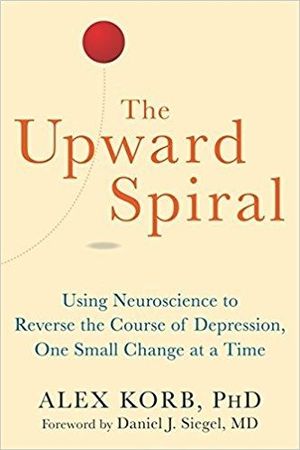
Alex Korb PhD, Daniel J. Siegel MD

50 Simple Steps You Can Take to Disaster-Proof Your Finances
Ilyce R. Glink

Paul Brown

Jason Brennan
The quest for happiness often leads to frustration, as many fail to realize that the...

Reaching sixty can evoke complex emotions, blending relief with ongoing ambition. This...

The quest for life's purpose often leads to unsatisfactory answers. This article...

Romantic love is a complex emotion shaped by historical, cultural, and biological...

Imagine going through one of the most physically and emotionally demanding experiences...

Daily actions often conflict with personal beliefs due to past experiences. By utilizing...

Have you ever argued over something that wasn't actually said? From cultural differences...

Therapists often use dream interpretation to delve into patients' emotions, but true...