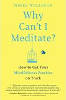
# The Meditation Barrier: Understanding Why Your Practice Feels Impossible
Many spiritual seekers find themselves sitting in silence, eyes closed, waiting for the transcendent experience they've been promised—only to feel frustrated, restless, and inadequate when it doesn't arrive. If you've struggled with meditation, wondering what's wrong with you while watching others seemingly effortlessly drift into blissful states, you're not alone. This exploration addresses one of the most common yet rarely discussed obstacles on the spiritual path: the genuine difficulty many people experience when attempting to meditate, and what this resistance actually reveals about our deeper selves.
The conventional approach to meditation often presents it as a simple, universal practice that should work for everyone. Sit down, breathe, quiet your mind, and enlightenment follows. When this straightforward formula fails, people typically blame themselves. They assume they lack discipline, possess a naturally scattered mind, or simply aren't cut out for spiritual practice. This self-blame creates a secondary layer of suffering on top of the meditation difficulty itself, reinforcing a sense of personal failure.
However, the reality is far more nuanced and ultimately more liberating. What many practitioners discover is that their difficulty with meditation isn't a personal shortcoming but rather valuable information about their psychological makeup, their nervous system, and their unique pathway to self-awareness. The resistance, restlessness, or inability to sit still that emerges during meditation attempts is not noise to be conquered but signal to be understood.
This exploration delves into the psychological and spiritual dimensions of meditation difficulties with compassion and insight. It examines how our individual temperaments, life experiences, trauma histories, and nervous system states all influence our capacity to settle into traditional meditation practices. Some people's minds are naturally more active and require movement-based or externally focused practices. Others carry unprocessed emotional material that bubbles up the moment they attempt to sit in silence. Still others find that their body simply won't cooperate, creating tension and physical discomfort that makes meditation feel impossible rather than healing.
The transformative insight here is that recognizing these difficulties doesn't mean abandoning the spiritual path—it means finding your authentic way onto it. Different nervous systems, different life histories, and different temperaments require different approaches to cultivating awareness and presence. The goal isn't to force yourself into someone else's meditation posture or practice. Instead, it's to understand your own obstacles with honest self-inquiry and then discover alternative pathways that actually work for your particular mind and body.
Readers will gain a comprehensive understanding of the various reasons meditation may feel inaccessible. These include anxiety patterns that intensify in silence, racing minds that resist calming, trauma responses that trigger during stillness, restless energy that demands physical expression, and temperamental differences in how our brains naturally process information. Perhaps most importantly, readers will discover that none of these reasons represent a dead end. Rather, each points toward a personalized approach to cultivating greater awareness and presence.
The practical value here extends beyond meditation itself. Understanding why traditional meditation might not work for you illuminates deeper truths about your psychology, your needs, and your authentic spiritual expression. Someone whose mind races in silence might discover that movement meditation, walking practice, or creative expression actually cultivates deeper states of presence than sitting could ever achieve. Someone with a history of trauma might find that nervous system work and grounding practices need to precede meditation. Someone with a naturally restless temperament might thrive with engaged practices like service, inquiry, or relationship.
This compassionate investigation ultimately matters because it removes shame from the spiritual journey. It acknowledges that sincere seekers may need unconventional approaches and validates that these alternative paths are equally valid expressions of spiritual practice. In doing so, it opens the door for millions of people to reclaim their spiritual agency and discover that they were never broken—they were simply looking in the wrong direction. Your difficulty with meditation isn't your failure; it's your invitation to discover your genuine path to presence and transformation.
Read more â–Ľ