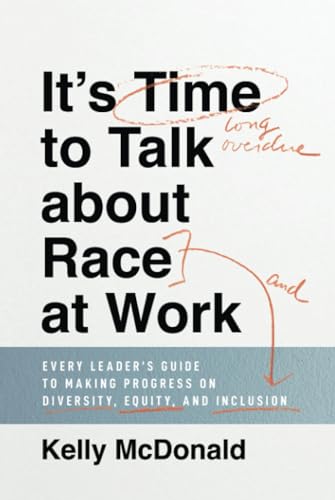
The modern workplace stands at a critical crossroads. Organizations across industries are grappling with how to create genuinely inclusive environments while navigating conversations that many find uncomfortable, complex, and emotionally charged. Yet avoidance only perpetuates the very problems that keep workplaces fragmented and prevent the authentic connections necessary for true harmony and growth.
This essential resource guides readers through the landscape of racial consciousness in professional settings, offering practical wisdom for anyone seeking to understand, initiate, and sustain meaningful dialogue about race and ethnicity in their work communities. Whether you're a manager, team member, executive, or individual contributor, the insights contained here provide a pathway toward creating workplaces where people of all backgrounds feel seen, valued, and able to bring their whole selves to their roles.
The exploration begins by addressing the fundamental reality that race remains a significant factor in workplace dynamics, yet it remains one of the most avoided topics in professional conversations. This avoidance stems from multiple sources: fear of saying the wrong thing, discomfort with the subject matter itself, uncertainty about how to navigate differences, and the mistaken belief that ignoring race creates equality. Through compassionate examination, this resource helps readers understand why these conversations matter profoundly for individual well-being, team cohesion, and organizational success.
A significant portion of the material focuses on developing self-awareness as the foundation for meaningful dialogue. Readers discover how to examine their own experiences with race, ethnicity, and cultural identity without judgment. This internal work is crucial because unexamined assumptions and unconscious biases inevitably influence how we interact with colleagues, make decisions, and build relationships. By cultivating greater awareness of personal beliefs, reactions, and patterns, individuals position themselves to engage with others from a place of authenticity and openness rather than defensiveness or avoidance.
The practical guidance extends into concrete communication strategies that transform potentially explosive conversations into opportunities for connection and understanding. Readers learn how to listen more deeply, ask questions that demonstrate genuine curiosity rather than judgment, and respond to comments or behaviors that reflect bias or insensitivity. These skills prove invaluable in navigating the inevitable uncomfortable moments that arise when discussing race openly. Rather than shutting down when discomfort emerges, individuals equipped with these tools can transform those moments into teachable opportunities for collective growth.
Perhaps most importantly, this resource emphasizes that meaningful dialogue about race is fundamentally about recognizing and honoring human dignity. It acknowledges that people of different racial and ethnic backgrounds have distinct experiences within professional environments. Black employees, Latino workers, Asian professionals, Indigenous staff, and those from other backgrounds often navigate workplace dynamics that differ significantly from their white colleagues. These different experiences deserve acknowledgment, validation, and integration into how teams function and organizations operate.
The exploration also addresses systemic dimensions of workplace racism and how individual conversations connect to broader organizational practices. Readers gain perspective on how hiring practices, promotion pathways, mentorship availability, and workplace culture either reinforce or challenge racial inequities. Understanding these systemic elements empowers individuals to advocate for meaningful change beyond their immediate interactions.
This material ultimately serves those committed to personal growth and social consciousness by recognizing that creating harmonious, equitable workplaces benefits everyone. People perform better, experience less stress, and find greater meaning in their work when they can bring their authentic selves and experience genuine belonging. Communities and organizations thrive when diverse perspectives are truly welcomed and integrated.
For anyone seeking to move beyond surface-level diversity initiatives toward authentic cultural transformation, this comprehensive exploration provides both the mindset shifts and practical tools necessary for real progress. It represents an invitation to participate in the essential work of building professional communities where all people can flourish.