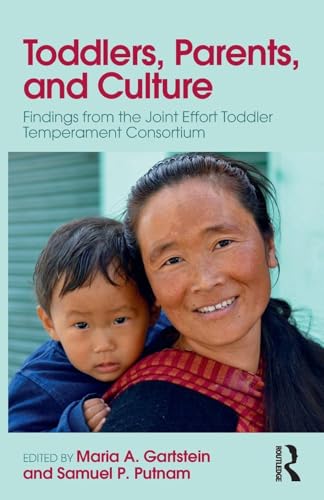

Parenting a toddler is one of life's most profound challenges and transformative experiences. Yet most parents navigate this critical period with limited understanding of how cultural values, family traditions, and their child's unique temperament interact to shape development. This comprehensive exploration bridges the gap between scientific research and real-world parenting wisdom, offering parents the insights they need to raise emotionally healthy, well-adjusted children.
The early toddler years represent a crucial window for development, yet parents often feel isolated in their struggles, wondering if their challenges are normal or if they're doing something wrong. The stress of managing a young child's emotions, behavior, and needs can feel overwhelming, especially when parenting advice seems contradictory or culturally disconnected from your own values and experiences. This work addresses these concerns by examining how culture profoundly influences not just what parents do, but how they understand their children's behavior and developmental milestones.
One of the most valuable insights presented here is the concept of temperament as a biological foundation that exists within a cultural context. Children are born with innate personality traits and behavioral tendencies, yet how these traits are perceived, valued, and shaped depends enormously on cultural norms and family beliefs. A child who is highly sensitive might be seen as shy or anxious in one cultural context, while in another, that same sensitivity is viewed as a sign of conscientiousness and perceptiveness. Understanding this distinction helps parents move beyond judgment and into compassion, both for themselves and their children.
Readers will discover practical guidance on recognizing their toddler's unique temperamental style and learning to work with it rather than against it. Whether your child is naturally cautious, highly active, emotionally intense, or easy-going, there are culturally-informed strategies for supporting their development while honoring both their nature and your family's values. This knowledge reduces the self-blame many parents experience and creates space for more authentic, responsive parenting.
The exploration of cultural differences in parenting practices is particularly enlightening for parents living in multicultural contexts or those raising children with heritage from multiple cultures. Rather than positioning certain parenting approaches as universally correct, this work demonstrates how various cultures have developed different, equally valid methods for raising resilient, socially competent children. This perspective is profoundly empowering for parents who have felt judged or inadequate for parenting differently than mainstream advice suggests.
For parents seeking personal growth through the parenting journey, understanding the intersection of culture and temperament offers unexpected spiritual benefits. When you recognize that your child's behavior stems from their unique temperament shaped by cultural influences, you develop deeper compassion and patience. This shift in perspective creates opportunities for genuine connection and mutual understanding. You begin to see challenging behaviors not as personal failures but as communication, as your child's way of navigating a world that may or may not match their temperamental needs.
The research presented here also validates parents' intuitive knowledge while expanding it with scientific understanding. Many parents sense that their child is "spirited" or "sensitive," yet lack the vocabulary and framework to discuss these observations with confidence. This work provides that language and legitimacy, helping parents trust their instincts while also learning evidence-based strategies for supporting optimal development.
Perhaps most importantly, this examination of how culture and temperament interweave offers parents permission to parent authentically. In a world filled with contradictory advice and cultural judgments, understanding the legitimate diversity in parenting approaches and child development creates freedom. You can honor your cultural heritage, respect your child's individual nature, and trust that there are multiple paths to raising emotionally healthy children. This integration of cultural wisdom with contemporary developmental science represents a more complete, compassionate approach to the transformative work of parenting young children.