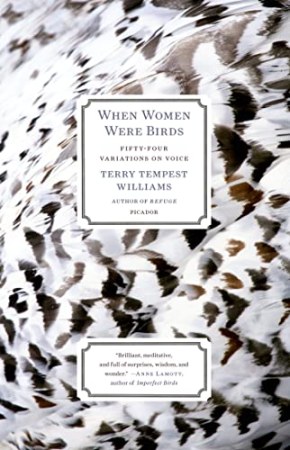

What happens when a mother leaves behind blank pages instead of words? This profound meditation explores the intersection of family legacy, feminine silence, and the courageous act of reclaiming one's voice. Through personal narrative woven with natural observation and cultural commentary, readers encounter a transformative exploration of what it means to inherit both absence and possibility.
The work begins with an unusual gift: a mother's journal, received after her death, containing hundreds of blank pages. Rather than containing the expected wisdom, guidance, or intimate reflections, these empty pages become a mirror reflecting deeper questions about the women in our lives, the stories we inherit, and the silences that have shaped generations of female experience. This starting point launches an extraordinary investigation into what remains unspoken and why, ultimately revealing how we might transform inherited silence into authentic expression.
Throughout this exploration, readers will discover how the natural world—particularly birds and their behaviors—serves as a powerful metaphor for understanding human communication and freedom. The author's keen observations of wildlife become a language through which to examine the constraints placed on women's self-expression and the ways in which breaking free from these constraints requires both courage and intention. The connection between ornithology and autobiography creates a unique framework for exploring personal empowerment, showing how nature itself offers lessons in liberation and authenticity.
The narrative examines several interconnected themes that resonate deeply with anyone seeking to understand their own voice and place in the world. It investigates how women have been conditioned to remain silent, how this conditioning affects our sense of self, and what becomes possible when we reject these limitations. The exploration extends beyond personal memoir into cultural critique, examining how institutions, relationships, and internalized expectations have historically muted feminine expression. Yet this is not a work of despair; rather, it's an invitation to recognize how awareness of these patterns is the first step toward transformation.
Readers will gain insight into the relationship between solitude and voice, between listening and speaking, between inheritance and choice. The work challenges the assumption that silence always indicates wisdom or strength, instead questioning what we lose when we fail to articulate our authentic experiences and perspectives. At the same time, it honors the complex reasons why silence has often been necessary for women's survival and safety, acknowledging this history while refusing to accept it as destiny.
This meditation also addresses the power of asking difficult questions. What legacy do we want to leave? What truths remain unspoken in our families? How do we honor the silence of previous generations while refusing to perpetuate it? These questions invite readers into their own deeper inquiry, making this work a catalyst for personal reflection and growth.
The significance of this exploration extends beyond individual transformation into social consciousness. When women find their authentic voices, they contribute to cultural shifts that benefit everyone. By examining how silence has been maintained and what's required to break it, readers gain tools for understanding not just their own empowerment but the structural dimensions of that empowerment. This awareness becomes the foundation for more conscious choices about how we live, communicate, and relate to others.
What makes this work particularly valuable for those seeking personal growth is its refusal of easy answers combined with its ultimate message of possibility. The blank pages that initially symbolize absence become, through the author's meditation, something else entirely: a space of potential, an invitation to write one's own story, a reminder that we are not bound by what was left unfinished by those who came before.
This is essential reading for anyone questioning their own voice, exploring family legacies, or seeking to understand the relationship between personal empowerment and cultural transformation.