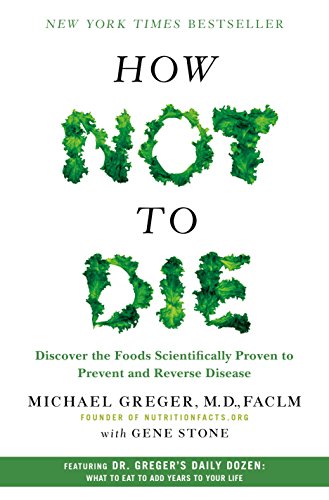
Most people in developed nations don't die from infectious diseases or accidents. Instead, the vast majority of deaths result from preventable chronic conditions rooted in lifestyle choices, particularly dietary habits. This comprehensive guide reveals how our everyday food selections directly influence whether we develop heart disease, diabetes, cancer, and other life-threatening conditions—and more importantly, what we can do to reverse this trajectory.
The foundation of this work rests on rigorous scientific research examining the leading causes of death in America and worldwide. Rather than offering vague wellness platitudes, the content synthesizes thousands of peer-reviewed medical studies to identify which foods and eating patterns demonstrate the most powerful protective effects against disease. The approach is refreshingly different from typical diet books because it's not primarily about weight loss or looking better—it's about fundamentally changing your relationship with food so you can live longer, healthier, and more vibrantly.
The book methodically addresses the twelve most common causes of death in developed countries. For each condition, readers discover specific nutritional factors that either increase or decrease risk. This includes detailed information about how plant-based foods interact with our physiology at a molecular level. You'll learn about the role of arterial plaque formation, inflammation, oxidative stress, and cellular damage, and precisely which nutrients most effectively combat these destructive processes. The science presented is accessible to general readers while remaining scientifically credible, making complex medical concepts understandable without oversimplification.
Beyond theoretical knowledge, this work provides practical guidance for translating research into daily life. Rather than demanding that readers overhaul their entire diet overnight, the material encourages incremental changes that compound into significant health benefits over time. This realistic approach acknowledges that sustainable transformation happens gradually, which makes the recommendations actually achievable for real people with busy lives, competing priorities, and established food preferences.
The nutritional recommendations emphasize whole foods rather than supplements or processed alternatives. You'll discover how whole grains, legumes, nuts, seeds, vegetables, and fruits contain interconnected compounds that work synergistically—in ways that isolated nutrients in pill form simply cannot replicate. The content explains why eating a carrot is fundamentally different from taking beta-carotene supplements, and why understanding this distinction matters profoundly for your health trajectory.
What makes this material particularly empowering is how it reframes personal health from something mysterious or dependent on genetic luck into something largely within your control. Readers repeatedly encounter evidence showing that lifestyle factors—particularly nutrition—overwhelmingly determine whether genetic predispositions toward disease actually manifest. This is genuinely liberating information because it means you possess far more agency over your health destiny than popular culture suggests.
The book also addresses common misconceptions and industry-influenced nutritional myths that have become embedded in popular consciousness. It examines how commercial interests have shaped dietary guidelines and public perception, helping readers develop critical thinking skills around health claims they encounter in media and marketing. This media literacy component supports personal empowerment by enabling readers to evaluate nutritional information independently.
Beyond disease prevention, implementing these dietary principles often results in unexpected benefits. Many readers report increased energy, improved mental clarity, better sleep, enhanced mood, and greater physical capability. These immediate positive experiences reinforce commitment to longer-term health goals, creating an upward spiral of wellness and vitality.
Ultimately, this resource transforms how readers perceive food—from something you thoughtlessly consume or feel guilty about enjoying, into a powerful tool for consciously creating the future you want. By understanding the tangible connection between daily food choices and long-term health outcomes, readers gain both the knowledge and motivation necessary to become active architects of their wellbeing rather than passive recipients of disease.