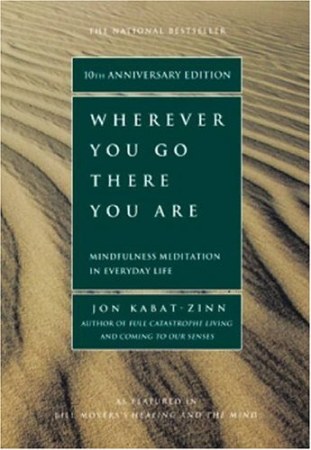

Happiness & Success
Achieving Happiness Through Acceptance of Life
The quest for happiness often leads to frustration, as many fail to realize that the...








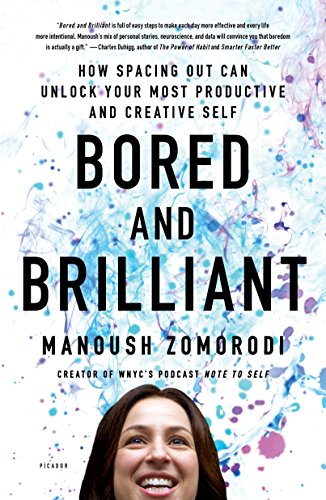
# Reclaim Your Creative Mind in a World of Constant Distraction
In our hyperconnected age, boredom has become something to be feared and avoided at all costs. The moment we feel even a glimmer of restlessness, we reach for our phones, scroll through social media, or find some other form of digital stimulation to fill the void. Yet what if this constant resistance to boredom is actually robbing us of something precious—our creativity, our capacity for deeper thinking, and our ability to solve problems in innovative ways?
This exploration delves into the surprising science behind boredom and its critical role in human creativity and personal development. Through compelling research and practical insights, readers will discover that those moments we typically try to escape are actually opportunities for our brains to do their most important work. The book challenges the modern assumption that staying busy and constantly stimulated is a desirable state, and instead makes a compelling case for the transformative power of allowing our minds to wander.
Read more ▼
Dr. Barry S. Weinberg
老子

Gerald G. Jampolsky, Stephen Levine - undifferentiated, Ondrea Levine
The quest for happiness often leads to frustration, as many fail to realize that the...

Reaching sixty can evoke complex emotions, blending relief with ongoing ambition. This...

The quest for life's purpose often leads to unsatisfactory answers. This article...

Imagine going through one of the most physically and emotionally demanding experiences...

Romantic love is a complex emotion shaped by historical, cultural, and biological...

Daily actions often conflict with personal beliefs due to past experiences. By utilizing...

Have you ever argued over something that wasn't actually said? From cultural differences...

Therapists often use dream interpretation to delve into patients' emotions, but true...