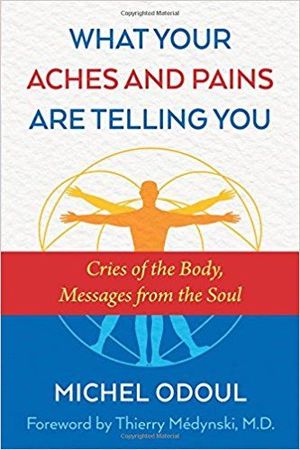
Discover a profound investigation into the hidden currents that shape American identity, power structures, and the spiritual dimensions of national consciousness. This compelling work takes readers on a journey through the foundations of American influence, exploring how religious conviction, political ideology, and personal ambition have become dangerously intertwined in ways that affect all of us—whether we realize it or not.
The central premise invites readers to examine the often-invisible forces that drive American culture and policy. Through meticulous reporting and intimate storytelling, this exploration reveals how missionary zeal, capitalist expansion, and evangelical fervor have historically worked together to shape not just foreign policy, but the very consciousness of the nation. The narrative weaves between personal narratives and historical investigation, creating a portrait of how individuals within these systems rationalize their actions and maintain their faith despite mounting contradictions.
What makes this work particularly valuable for seekers of personal growth is its unflinching examination of how ideology operates in our lives. The book demonstrates how people become trapped by narratives that seem righteous and natural from within, yet carry profound consequences when examined from outside. This recognition is essential for anyone committed to genuine self-awareness and breaking free from unconscious patterns of thinking that limit personal evolution. When we understand how others have been shaped by invisible currents, we gain capacity to recognize similar influences within ourselves.
Readers will discover concrete examples of how American institutions—religious, governmental, and corporate—have exported not just material goods but entire worldviews, often with devastating results. The investigation traces these patterns from early missionary movements through contemporary global ventures, revealing a consistent philosophy: that American ways, American values, and American solutions are universal goods. This observation carries immediate relevance for personal empowerment, as it encourages readers to question which values they've internalized without examination and which inherited beliefs truly serve their authentic development.
The narrative emphasizes the role of faith as both genuine motivation and convenient mask for power-seeking behavior. This nuanced portrayal challenges readers to consider their own relationship with belief systems, whether religious, political, or personal. How often do we use our sincerely held beliefs to justify actions that serve our interests? How do we distinguish between authentic conviction and rationalization? These questions form the heart of genuine spiritual development and personal integrity.
Throughout the exploration, the work examines how ordinary people participate in extraordinary systems of influence and control. These individuals aren't presented as villains but as human beings navigating complex moral landscapes, often blind to contradictions between their stated values and their actual impacts. This compassionate yet honest portrayal allows readers to examine their own roles within systems larger than themselves—essential work for anyone seeking to live with greater consciousness and integrity.
The historical arc traced in this investigation reveals patterns that remain active today. Economic expansion continues under the banner of development. Political expansion proceeds under the language of freedom. Religious expansion adapts to contemporary contexts while maintaining historical patterns. Understanding these continuities helps readers recognize similar dynamics in their own lives, organizations, and communities.
For those committed to personal empowerment and social consciousness, this work offers essential perspective. It demonstrates that genuine transformation requires understanding not just individual psychology but the larger systems and narratives within which we operate. It shows that awareness is the prerequisite for change—we cannot break free from patterns we cannot see.
This investigation ultimately serves as a call to consciousness. By understanding how power has historically operated through narratives of righteousness and inevitability, readers gain tools to question their own assumptions and choices. That capacity for honest self-examination, rooted in historical understanding, represents true empowerment.