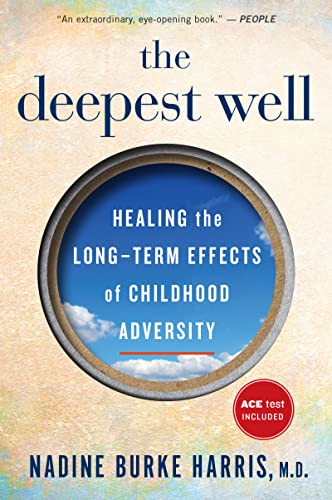




Discover how early life experiences shape our physical and mental health in profound ways that science is only beginning to fully understand. This groundbreaking exploration reveals the connection between childhood trauma and chronic disease, offering hope and practical solutions for those seeking to understand and overcome the effects of adversity.
The journey begins with a startling revelation: the stress and trauma experienced during childhood don't simply fade away with time. Instead, they become embedded in our bodies and brains, influencing our health outcomes throughout our entire lives. What most people understand as purely psychological or emotional wounds actually have measurable biological consequences. Through compelling personal stories and cutting-edge research, this exploration demonstrates how adverse experiences activate our stress response systems, creating a cascade of physiological changes that can lead to chronic illness, addiction, mental health challenges, and premature death.
The concept of toxic stress emerges as central to understanding why some individuals struggle with seemingly inexplicable health problems while others thrive despite difficult circumstances. Toxic stress differs from the normal stress everyone experiences. It's the kind that occurs when a child faces repeated or intense adversity without adequate support and protection. This chronic activation of stress hormones and inflammatory responses can literally reshape developing brains and bodies, affecting everything from immune function to metabolism to emotional regulation.
Readers will encounter the fascinating science of epigenetics, which reveals that our genes are not our destiny. Environmental factors, including trauma and stress, can actually change how our genes are expressed without altering the DNA sequence itself. This means that healing and positive change are possible at every stage of life, not just in childhood. Understanding this mechanism provides genuine hope and empowerment for those who have experienced adversity.
The narrative weaves together personal anecdotes from a pediatrician's practice with rigorous scientific evidence. Stories of children and families facing poverty, violence, substance abuse, and systemic inequality become windows into understanding how these experiences affect developing bodies and minds. Yet these stories never feel exploitative or hopeless. Instead, they illuminate the remarkable resilience of the human spirit and the transformative power of healing relationships and trauma-informed care.
One of the most valuable aspects of this exploration is its emphasis on the healing power of connection and community. Throughout the discussion, it becomes clear that the antidote to toxic stress is not found in medication or willpower alone, but in supportive relationships and environments that provide safety, stability, and genuine care. Understanding this opens new possibilities for personal recovery and social change.
The practical implications extend beyond individual health to include insights about education, criminal justice, social services, and public health. Readers gain perspective on why traditional approaches to these systems often fall short and what a more compassionate, trauma-informed approach might look like. This systemic understanding proves invaluable for anyone working in helping professions or seeking to create change in their communities.
Most importantly, this exploration offers a compassionate reframing of human struggle. Instead of viewing addiction, depression, or chronic disease as character flaws or personal failures, readers develop a deeper understanding of how these conditions often represent the body and mind's adaptive responses to overwhelming circumstances. This shift in perspective can be profoundly liberating.
For those on personal growth journeys, this material provides essential context for understanding one's own patterns and offers a roadmap toward healing. For those working to transform communities and systems, it supplies both the scientific foundation and the moral imperative for change. Whether you're a healthcare provider, educator, parent, or someone seeking to understand your own health journey, this exploration offers insights that can fundamentally shift how you see yourself and others, opening doors to greater compassion, healing, and possibility.