
# The Science of Emotional Intelligence: Building Real Success Through Your Inner Life
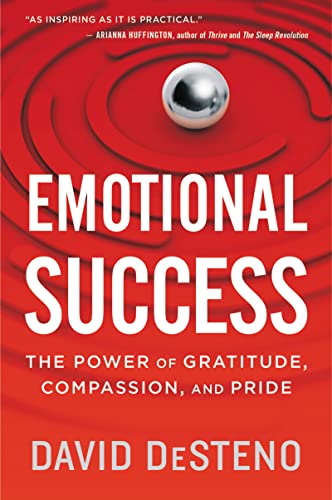
Success looks different to everyone, but most of us share a common understanding that it involves achieving our goals, building meaningful relationships, and experiencing satisfaction in our lives. What many people don't realize is that the traditional pathways to success—willpower, motivation, and pure logical thinking—often fail us when we need them most. The real secret to achieving lasting success lies in understanding and harnessing the power of our emotions in ways that modern psychology has only recently begun to scientifically validate.
Contrary to popular belief, emotions are not obstacles to overcome on the path to achievement. Rather, they are sophisticated tools that have evolved over millions of years to help us navigate complex social and personal landscapes. When properly understood and channeled, emotions become our greatest allies in pursuing meaningful goals and creating the lives we truly want.
This exploration delves into the emerging science of emotional intelligence and how it fundamentally shapes our ability to succeed in nearly every important domain of life. The core premise challenges conventional wisdom by suggesting that the most successful people aren't necessarily those with the highest IQs or the strongest willpower, but rather those who have learned to work with their emotions rather than against them.
The journey begins by examining what emotion really is from a neurological perspective. Emotions aren't random reactions or character flaws to be suppressed. They're sophisticated information systems that have been refined by evolution to help us make better decisions, build stronger relationships, and persist through challenges. Understanding this reframes how we think about anger, sadness, anxiety, and even guilt—emotions we typically try to eliminate from our experience.
One profound insight that emerges from contemporary research is that emotions actually precede and inform our reasoning. We don't first think our way to a decision and then feel about it; rather, our emotional systems process information and guide our choices before our conscious minds catch up. This changes everything about how we should approach self-improvement and goal achievement.
The book offers practical understanding of how emotions like anxiety, guilt, and even jealousy serve important functions when we understand their purposes. Rather than trying to eliminate these feelings through force of will, the more effective approach involves learning what these emotions are trying to tell us and using that information productively. Anxiety, for instance, isn't just worry—it's an alert system designed to help us prepare for threats and challenges. When channeled properly, it becomes a source of motivation and preparation rather than paralysis.
Building resilience and persistence in the face of setbacks is another critical area explored. The capacity to bounce back from failure and maintain effort toward long-term goals doesn't come primarily from self-discipline or willpower. Research shows it correlates more strongly with certain emotional capacities—particularly the ability to regulate emotions, maintain social connections, and reframe challenges as opportunities for growth. This perspective offers real hope for those who feel they lack natural discipline or willpower.
The social dimension of emotional intelligence receives substantial attention as well. Our emotions don't exist in isolation; they fundamentally shape how we relate to others and how others respond to us. Understanding how to authentically connect with others, build trust, and navigate social complexity through emotional awareness creates advantages in every relationship context, from intimate partnerships to professional collaborations.
Perhaps most importantly, this material demonstrates why traditional approaches to success—grinding harder, thinking more positively, or suppressing doubt—often fail. True, lasting success requires integration. It requires recognizing that our emotions are features, not bugs. It requires building competence in understanding what we feel, why we feel it, and what it's trying to help us accomplish.
This is essential reading for anyone genuinely committed to personal transformation and understanding themselves more deeply. It offers both the scientific foundation for why emotional awareness matters and the practical insight needed to begin rewiring how you approach your goals, relationships, and life direction.