# The Hidden Costs of Modern Living: Understanding Environmental Toxins and Your Health
We live in a world saturated with chemicals we rarely think about. From the plastic containers holding our food to the flame retardants in our furniture, from pesticides on our produce to industrial compounds in our drinking water, we are constantly exposed to substances that our ancestors never encountered. Yet how many of us truly understand the profound impact these exposures have on our bodies, our wallets, and our long-term wellbeing?
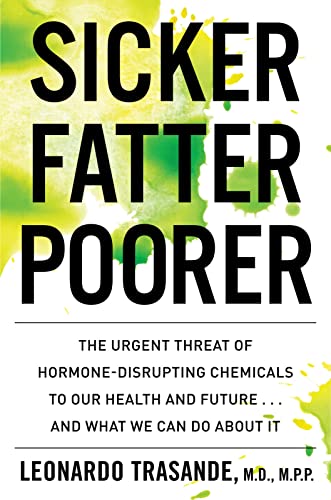
This groundbreaking examination reveals a deeply troubling connection between environmental contaminants and three of the most pressing health crises facing modern society: obesity, disease, and financial hardship. The exploration moves beyond conventional thinking about health and wellness to expose how industrial chemicals and pollutants are fundamentally reshaping human biology in ways we are only beginning to understand.
The core insight presented is both urgent and empowering: many of the chronic diseases and metabolic disorders we treat as inevitable consequences of aging or lifestyle choice are actually the direct results of environmental exposures that can be identified, understood, and mitigated. The obesity epidemic that has swept through developed nations over the past three decades cannot be fully explained by calories consumed or exercise levels. Rather, the analysis demonstrates how endocrine-disrupting chemicals interfere with the body's ability to regulate weight, metabolism, and appetite. These compounds act as thieves in the night, sabotaging the biological systems that keep us at a healthy weight.
What makes this exploration particularly valuable for readers seeking personal empowerment is its clarity about causation. Instead of blaming individuals for health struggles rooted in systemic environmental problems, this work reveals the actual mechanisms by which external toxins become internal threats. Readers will discover which chemicals most commonly disrupt metabolic function, where these chemicals hide in everyday products, and crucially, what practical steps can be taken to reduce exposure.
The financial implications are equally eye-opening. When we understand that environmental toxins contribute to the development of type 2 diabetes, heart disease, asthma, autism spectrum disorders, and numerous cancers, we begin to see the true cost of industrial pollution. Healthcare expenses, lost productivity, premature death, and reduced quality of life represent a massive economic burden that society collectively bears. Yet this burden is not equally distributed. Those with fewer resources often live in more polluted environments, drink contaminated water, and eat more processed foods containing toxic additives. This creates a cycle where environmental injustice intersects with economic inequality.
Throughout this investigation, readers will gain practical knowledge about the science of toxicology, learning how chemicals affect the body at the cellular level. The material explains complex concepts like endocrine disruption, epigenetics, and metabolic programming in accessible language that does not require a scientific background. More importantly, readers will learn actionable strategies for protecting themselves and their families from unnecessary chemical exposure.
The empowerment comes from knowledge combined with agency. Rather than feeling helpless against invisible threats, readers will understand specific products and practices to avoid, safer alternatives to embrace, and policy changes worth advocating for. The work addresses not only personal choices but also systemic change, encouraging readers to think beyond individual responsibility to consider collective action.
This material ultimately serves those who wish to reclaim their health from corporate interests that profit from pollution. It provides the evidence base for making different choices, the motivation to prioritize protection over convenience, and the framework for understanding that personal wellness and environmental activism are inseparable pursuits. By understanding these connections, readers can take meaningful steps toward lives that are genuinely healthier, more economically sustainable, and aligned with a vision of true wellbeing.