
Happiness & Success
Achieving Happiness Through Acceptance of Life
The quest for happiness often leads to frustration, as many fail to realize that the...









Through a revolutionary approach to understanding and transcending suffering, this groundbreaking work presents a simple yet profound method for questioning the thoughts that cause pain, stress, and conflict in our lives. At its core lies a practice called "The Work," consisting of four questions and a turnaround that can transform the way we relate to our thoughts and, consequently, our entire experience of reality.
The foundation of this transformative practice rests on a powerful premise: it's not the circumstances of our lives that cause suffering, but rather our thoughts about those circumstances. When we believe our stressful thoughts without question, we experience emotional turmoil. However, when we learn to question these thoughts systematically, we discover freedom and peace that exists independent of external conditions. This approach doesn't ask us to suppress or replace negative thoughts with positive affirmations. Instead, it invites us to investigate the validity of our thoughts through direct inquiry, allowing truth to reveal itself naturally.
The four fundamental questions form the backbone of this inquiry process. First, we ask whether a particular thought is true. Then we ask whether we can absolutely know it's true. The third question explores how we react and what happens when we believe the thought. Finally, we consider who we would be without that thought. These deceptively simple questions, when applied with sincerity and openness, create space for profound realizations about the nature of our thinking and its impact on our emotional state.
Read more ▼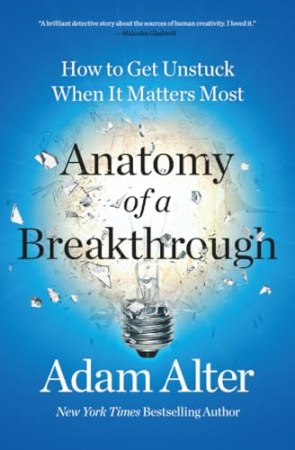
Adam Alter
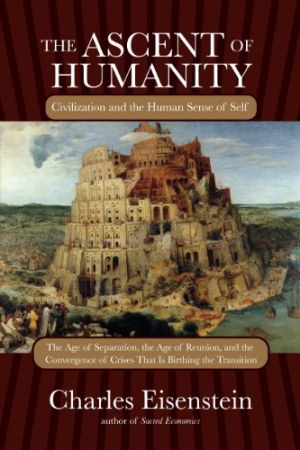
The Ascent of Humanity: Civilization and the Human Sense of Self
Charles Eisenstein
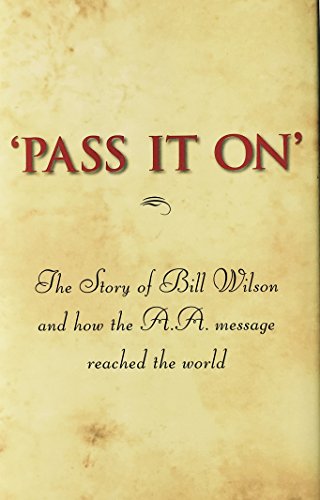
Alcoholics Anonymous

Neale Donald Walsch
The quest for happiness often leads to frustration, as many fail to realize that the...

Reaching sixty can evoke complex emotions, blending relief with ongoing ambition. This...

The quest for life's purpose often leads to unsatisfactory answers. This article...

Imagine going through one of the most physically and emotionally demanding experiences...

Romantic love is a complex emotion shaped by historical, cultural, and biological...

Daily actions often conflict with personal beliefs due to past experiences. By utilizing...

Have you ever argued over something that wasn't actually said? From cultural differences...

Therapists often use dream interpretation to delve into patients' emotions, but true...