
Happiness & Success
Achieving Happiness Through Acceptance of Life
The quest for happiness often leads to frustration, as many fail to realize that the...








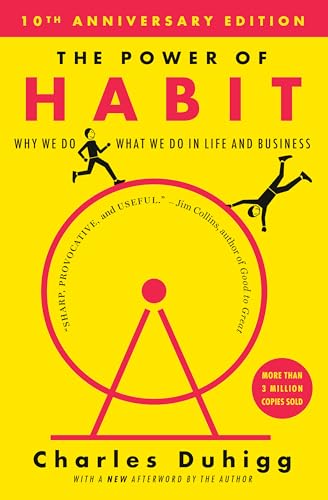
Understanding why we do what we do—and more importantly, how to change those patterns—stands as one of the most powerful keys to personal transformation. Deep beneath our conscious awareness, automated routines shape nearly every aspect of our lives, from the moment we wake until we fall asleep. These patterns influence our health, productivity, financial security, and happiness. By understanding the science behind these behavioral loops and learning to harness their power, anyone can fundamentally reshape their life.
At the heart of this exploration lies a simple but profound framework: every routine follows a three-part structure consisting of a cue, a routine, and a reward. The cue triggers an automatic behavior, the routine is the behavior itself, and the reward is what our brain learns to crave. This neurological loop becomes so ingrained that our brains essentially check out during the routine, allowing us to perform complex actions without conscious thought. This automation represents both our greatest efficiency tool and our most significant vulnerability when destructive patterns take hold.
Through compelling narratives drawn from cutting-edge neuroscience, corporate research, and real-world case studies, readers discover that transformation doesn't require wholesale personality changes or superhuman willpower. Instead, lasting change comes from understanding how to identify the components of existing loops and strategically modify them. The key insight is that the cue and reward often remain the same, but the routine in between can be replaced with something healthier, more productive, or better aligned with our values.
Read more ▼
Clare R. Johnson
William R. Yoder
Jerry Minchinton
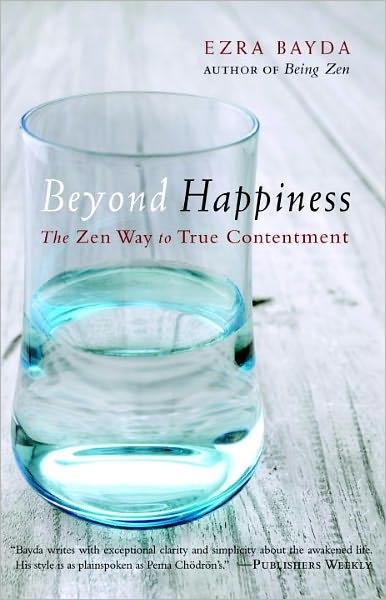
Ezra Bayda
The quest for happiness often leads to frustration, as many fail to realize that the...

Reaching sixty can evoke complex emotions, blending relief with ongoing ambition. This...

The quest for life's purpose often leads to unsatisfactory answers. This article...

Romantic love is a complex emotion shaped by historical, cultural, and biological...

Imagine going through one of the most physically and emotionally demanding experiences...

Daily actions often conflict with personal beliefs due to past experiences. By utilizing...

Have you ever argued over something that wasn't actually said? From cultural differences...

Therapists often use dream interpretation to delve into patients' emotions, but true...