
Happiness & Success
Achieving Happiness Through Acceptance of Life
The quest for happiness often leads to frustration, as many fail to realize that the...








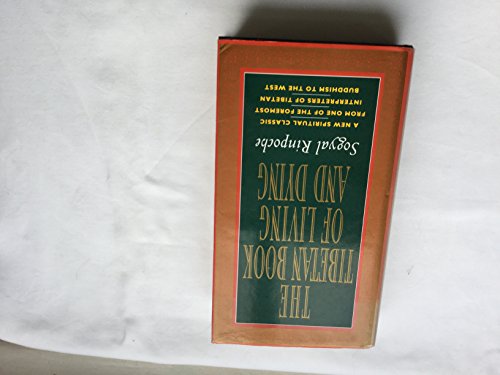
Death remains one of the greatest taboos in modern Western culture, yet it is the one certainty we all share. By turning away from this fundamental truth of human existence, we diminish our capacity to live fully, love deeply, and find genuine meaning in our daily lives. This profound spiritual guide bridges the ancient wisdom of Tibetan Buddhism with contemporary Western needs, offering practical tools and timeless insights that transform not only how we approach death, but more importantly, how we embrace life itself.
Drawing from centuries of Buddhist teachings and meditation practices, this work presents a comprehensive exploration of consciousness, existence, and the continuity of awareness beyond physical form. Rather than presenting death as an ending to be feared, readers discover it as a natural transition, an opportunity for liberation, and a doorway to understanding the true nature of mind. The teachings reveal how preparing for death actually means learning to live with greater awareness, compassion, and purpose right now.
At the heart of these teachings lies the concept that understanding death illuminates life. Through detailed explanations of the bardos—the intermediate states between death and rebirth—readers gain profound insights into the nature of consciousness itself. These aren't merely abstract philosophical concepts but practical frameworks for understanding our moment-to-moment experience. The journey through these teachings reveals how the dying process mirrors the states of consciousness we experience during sleep, dreams, and even daily transitions, making ancient wisdom immediately relevant to contemporary life.
Read more ▼
George Orwell
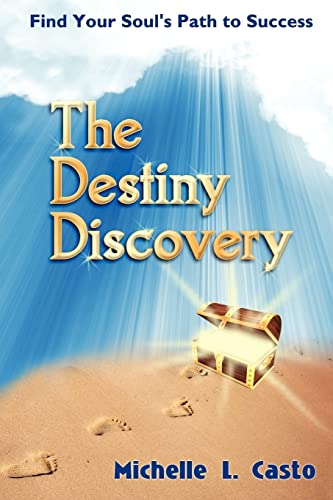
The Destiny Discovery: Find Your Soul's Path to Success
Casto, Michelle.
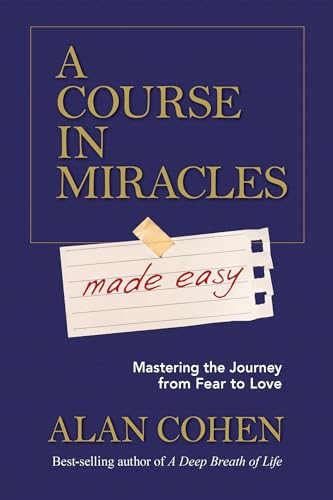
A course in miracles made easy
Alan Cohen
Edward F. Malkowski
The quest for happiness often leads to frustration, as many fail to realize that the...

Reaching sixty can evoke complex emotions, blending relief with ongoing ambition. This...

The quest for life's purpose often leads to unsatisfactory answers. This article...

Imagine going through one of the most physically and emotionally demanding experiences...

Romantic love is a complex emotion shaped by historical, cultural, and biological...

Daily actions often conflict with personal beliefs due to past experiences. By utilizing...

Have you ever argued over something that wasn't actually said? From cultural differences...

Therapists often use dream interpretation to delve into patients' emotions, but true...